
Stress, Weight Gain, and Cortisol in Abu Dhabi: A Safe Guide to Body Composition

Chronic stress and poor sleep may affect appetite, activity, insulin sensitivity, and fat distribution, making weight management harder for some people. However, cortisol is not the only explanation for abdominal fat, and weight gain cannot be diagnosed from symptoms or a single saliva test. A proper assessment considers sleep, nutrition, medicines, mental health, and targeted hormone testing when clinically indicated.

  • Cortisol is an essential hormone with a normal daily rhythm; it is not a hormone that should simply be “switched off.”
  • Stress may influence eating, sleep, and metabolic health, but the relationship with weight is complex and individual.
  • Adrenal fatigue is commonly used in some wellness settings, but it is not a recognized medical diagnosis and has no validated confirmatory test.
  • Pathological cortisol disorders, such as Cushing’s syndrome, are different conditions requiring specialist assessment and validated testing.
  • Intravenous magnesium is not a routine treatment for stress, insomnia, or abdominal fat; it should be used only for a clear medical indication under clinical supervision.

What are cortisol and the HPA axis?

Cortisol is a hormone produced by the adrenal cortex. It helps regulate blood pressure, blood glucose, immune responses, and the body’s response to illness or stress. Its regulation involves the hypothalamic–pituitary–adrenal axis, commonly called the HPA axis.

During a stressful event, brain signals increase cortisol and other hormones that support alertness and energy availability. When the trigger passes, feedback mechanisms reduce the response. Feeling stressed does not by itself mean that the adrenal glands are damaged or that cortisol is pathologically high.

Cortisol normally follows a daily rhythm, often higher in the morning and lower at night. Sleep timing, shift work, acute illness, and medicines can alter this pattern, so an isolated result should not be interpreted without context.

Can stress contribute to abdominal fat?

Stress may contribute to weight change indirectly. It can be associated with:

  • Stronger cravings for high-calorie foods in some people.
  • Shorter or poorer-quality sleep, affecting appetite, energy, and activity.
  • Distracted or rapid eating.
  • Less daily movement because of fatigue.
  • Changes in glucose regulation or appetite in some individuals.

Visceral fat is associated with greater metabolic risk, but it is inaccurate to reduce the issue to “cortisol trapping fat” or to assume that every abdominal fat pattern is caused by stress. Genetics, age, hormones, medicines, diet, activity, and health conditions also matter.

The relationship may also work in both directions: weight gain, illness, and sleep disruption can increase psychological stress. A clinical assessment is needed before assigning one cause.

What is adrenal fatigue?

The term “adrenal fatigue” is often used for nonspecific symptoms such as tiredness, poor concentration, sugar cravings, sleep problems, and weight change. These symptoms can also result from anemia, thyroid disease, sleep apnea, anxiety or depression, medication effects, or other medical conditions.

According to endocrine sources, adrenal fatigue is not a recognized medical diagnosis, and there is no validated test showing that ordinary psychological stress has “worn out” the adrenal glands. Real conditions such as adrenal insufficiency and Cushing’s syndrome are different and should not be confused with the wellness term.

When should cortisol be medically tested?

Cortisol testing is not automatically needed because someone feels stressed. A clinician may consider testing when there are signs of a specific disorder, such as:

  • Central weight gain with marked limb weakness, easy bruising, purple stretch marks, or significant muscle weakness, which may warrant assessment for excess cortisol.
  • Unexplained weight loss with low blood pressure, severe dizziness, weakness, skin darkening, or persistent nausea, which may warrant assessment for adrenal insufficiency.
  • Current or recent prolonged corticosteroid use, or stopping corticosteroids without medical guidance.
  • Persistent symptoms that are not explained by sleep or lifestyle and require another diagnosis.

The clinician chooses the appropriate test, which may include timed cortisol measurements, a 24-hour urine test, a late-night salivary test, or a stimulation test, depending on the clinical question. Cortisol awakening response (CAR) and multiple saliva samples may be used in research or selected assessments, but they do not diagnose “adrenal fatigue” or prove the cause of weight gain on their own.

What lifestyle steps may help reduce stress load?

These steps do not treat a confirmed endocrine disorder, but they may support sleep and general health:

  • Keep a consistent wake time and obtain safe morning daylight when appropriate.
  • Limit late-day caffeine and avoid heavy meals or alcohol close to bedtime.
  • Use moderate activity and progressive resistance training rather than increasing intense exercise while exhausted.
  • Eat regular meals containing protein, fiber, and vegetables, and avoid extreme dieting.
  • Use breathing or relaxation techniques and consider cognitive behavioral therapy for persistent anxiety or insomnia.
  • Discuss loud snoring, nighttime choking, or daytime sleepiness to assess possible sleep apnea.

There is no general evidence that a single “fat-burning” protocol or standardized intravenous infusion is appropriate for everyone with stress.

When should you seek medical care?

Arrange a medical assessment for persistent fatigue, insomnia, or weight change, or for menstrual changes, muscle weakness, high blood pressure, unexplained bruising, or marked skin changes. Seek urgent care for fainting, persistent vomiting, severe dehydration, confusion, or sudden severe weakness—especially if you use corticosteroids or have known adrenal disease.

Frequently asked questions

No. Stress and sleep may influence weight, but abdominal fat has multiple possible causes. Its cause cannot be determined from body shape or one cortisol test.

No. Early waking can be related to insomnia, anxiety, sleep apnea, caffeine, shift work, or other factors. Persistent symptoms deserve assessment rather than self-diagnosis.

No validated medical test confirms the condition called “adrenal fatigue.” There are established tests for adrenal insufficiency or excess cortisol when appropriate clinical signs are present.

Not generally. The intravenous route is appropriate for selected medical situations, not simply because it is faster. A clinician should decide the route and dose after reviewing the condition and kidney function.

Not necessarily. High-intensity exercise may be appropriate for some people, but increasing training while sleep-deprived or under-fueled can worsen fatigue. Training should be adjusted gradually according to fitness, recovery, and health status.

Stress, sleep, and hormonal factors can vary between individuals, but broad rules about cortisol, testosterone, or abdominal fat should not be applied to every man or woman. Individual assessment is more reliable than general claims.

Fat Freezing in the UAE: How Does Cryolipolysis Work, and What Are Its Limitations?

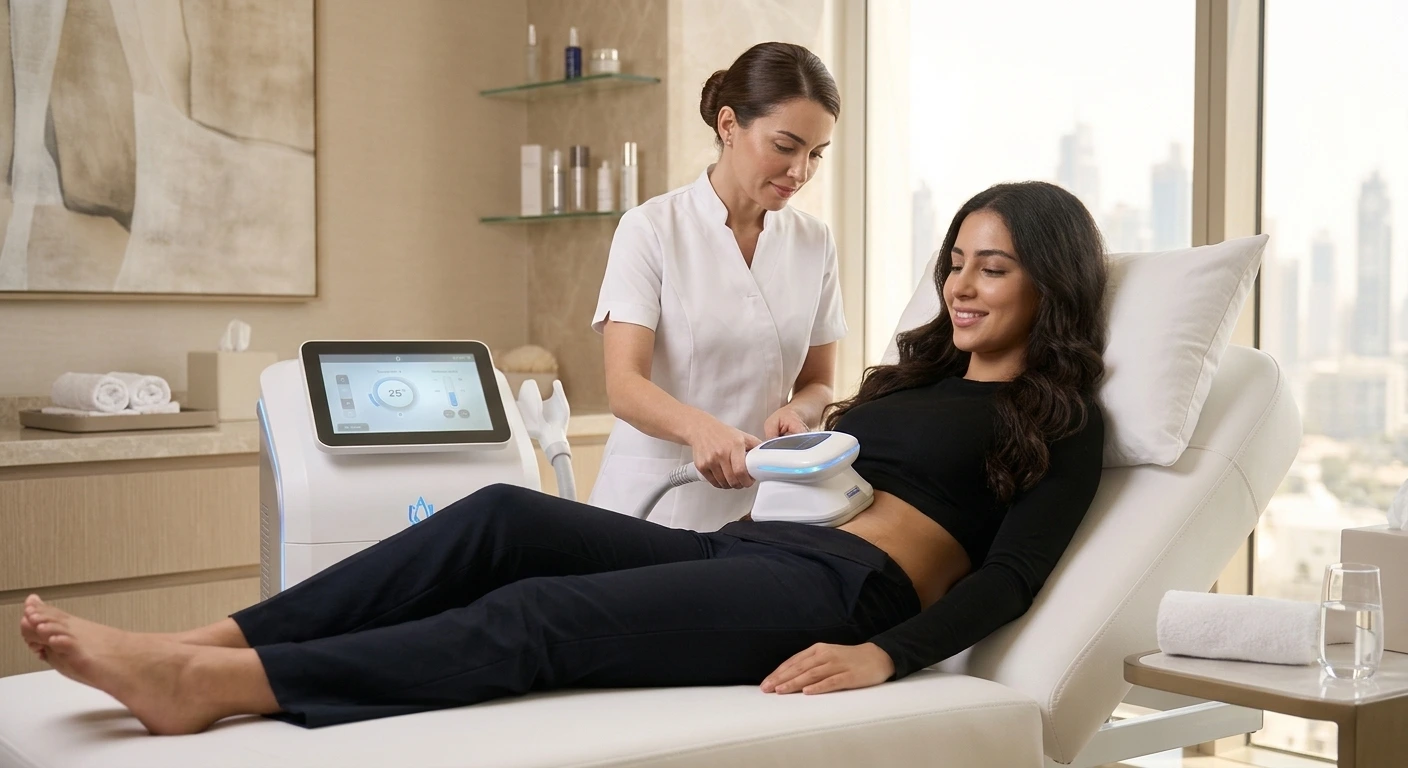
Fat freezing, or cryolipolysis, is a non-surgical body-contouring procedure that uses controlled cooling from a dedicated device to target selected pockets of subcutaneous fat. Cooling may injure some fat cells, which the body then clears gradually. It is not a weight-loss treatment and does not guarantee the same result for every patient.

What is cryolipolysis?

Cryolipolysis is a non-surgical body-contouring technique. A trained professional places a cooling applicator over a pinchable pocket of fat; depending on the device, the tissue may be gently drawn into the applicator. The device cools the tissue according to its specific programmed settings while protecting the skin.

The procedure may be used for selected areas such as parts of the abdomen, flanks, thighs, or under the chin, depending on the device’s authorization and the clinician’s assessment. Clearance or authorization for one device does not mean that all fat-freezing devices have identical performance or that every body area is suitable.

How does cryolipolysis work?

The intended effect is controlled cooling that may injure a portion of fat cells in the treated layer. The body then gradually processes and clears the damaged cells through normal immune and metabolic pathways. This process is not immediate, so the appearance immediately after treatment does not represent the final result.

Cooling temperature and treatment time vary by device, applicator, body area, tissue thickness, and manufacturer instructions. There is no single temperature or duration that applies to every device and patient. A fixed figure, such as −11°C, should not be presented as a universal standard for all cryolipolysis treatments.

Does fat freezing permanently remove fat cells?

The number of affected fat cells in a treated area may decrease, but this does not protect against future weight gain. Remaining fat cells can enlarge, and fat may accumulate in other areas. Maintaining a stable weight may help preserve the cosmetic result, but outcomes still vary.

What is the difference between subcutaneous and visceral fat?

Subcutaneous fat lies beneath the skin and may be pinchable enough for an applicator to target. Visceral fat is deeper inside the abdomen around internal organs and is not treated by cryolipolysis.

Higher visceral-fat levels are associated with increased metabolic and cardiovascular risk, but abdominal appearance alone cannot identify visceral fat reliably. A clinician may use measurements, imaging, or laboratory tests when appropriate. If the main cause of abdominal fullness is visceral fat, fat freezing is not the appropriate solution; the focus should be medical assessment, nutrition, activity, and treatment when indicated.

Do you need an assessment before treatment?

Yes. A qualified clinician should assess the area and your health history before treatment. The assessment may include:

  • Goal and area review: Is the concern pinchable subcutaneous fat, loose skin, muscle separation, or something else?
  • Physical examination: Assessment of the skin, fat thickness, possible hernia, pain, or swelling.
  • Imaging when appropriate: Ultrasound or another suitable method may help assess the fat layer, but it does not replace clinical examination.
  • Medical history: Particular attention to cold-related disorders, reduced sensation, active skin disease, pregnancy, implanted devices, and medicines.
  • Alternative options: Lifestyle treatment, skin-tightening procedures, or another approach may be more appropriate depending on the cause of the contour concern.

Assessment should help determine whether treatment is suitable, not be used to pressure someone into an unnecessary procedure.

Who may be a suitable candidate?

Cryolipolysis may suit an adult who is near a stable weight, has a localized pocket of pinchable subcutaneous fat, has realistic expectations, and is not seeking treatment for obesity or major weight loss. The patient should understand that the goal is local cosmetic contouring, not a general health treatment.

People with significant loose skin and little underlying fat, or fullness caused by a hernia, muscle separation, or visceral fat, may not benefit. New or unexplained symptoms should be medically assessed rather than treated as a cosmetic concern.

Who should avoid or postpone treatment?

Contraindications vary by device and medical history, but tell the clinician before treatment if you have:

  • A cold-related disorder, including certain conditions involving cold-sensitive blood proteins.
  • Reduced sensation or neuropathy in the treatment area.
  • An open wound, active infection, or active skin disease at the site.
  • A hernia or a painful lump near the proposed treatment area.
  • Pregnancy or recent childbirth until a clinician confirms that assessment and treatment are appropriate.
  • A medical or medication history that may increase bruising or affect skin healing.

This list is general guidance, not a diagnosis. The final decision requires a medical history, examination, and review of the specific device protocol.

What happens during a session?

The process varies by clinic and device but commonly includes:

  • Planning: The clinician identifies the area and may take photographs or measurements with consent.
  • Protection: A device-specific protective membrane or pad is placed between the applicator and the skin.
  • Cooling: The applicator remains in place for the programmed time. Patients may feel pulling, cold, pressure, and temporary numbness.
  • After applicator removal: Redness, firmness, or swelling may occur. A brief massage may be used according to the clinic’s protocol.
  • Aftercare guidance: The clinician explains expected symptoms, follow-up, and warning signs.

What results can you expect?

Results develop gradually and may take several weeks or months to assess. The treated area may look less prominent, but the amount of change cannot be guaranteed in advance. Factors include fat thickness, body area, device type, number of sessions, individual response, and weight stability.

Clinical studies report variable reductions in treated fat layers. Study averages should not be presented as an individual promise. A cryolipolysis result also does not measure total body-weight change.

Frequently asked questions

No. It is a localized contouring procedure for selected subcutaneous fat pockets, not a treatment for obesity or a substitute for healthy weight management. The treated area may change without a major change on the scale.

Some fat cells in the treated area may be reduced, but the result does not prevent future weight gain. Remaining cells can enlarge and other areas can change. Stable weight may help maintain the appearance, but it does not guarantee a lifelong result.

There is no universal number. It depends on the area, fat thickness, device, goal, and response. A clinician should decide whether another session is appropriate only after enough time has passed to assess the initial result.

Patients may feel cold, pulling, pressure, numbness, or soreness. The experience varies by body area, device, and individual tolerance, so it should not be described as pain-free for everyone.

It may be possible for selected patients after medical assessment. Abdominal fullness can result from loose skin, muscle separation, a hernia, visceral fat, or subcutaneous fat. These causes should be assessed first, especially during pregnancy, breastfeeding, or early postpartum recovery.

PAH means paradoxical adipose hyperplasia: the treated fat grows rather than shrinks. It is rare but recognized, and patients should be informed before consenting. A growing lump after treatment should be assessed by a qualified clinician.

Conclusion

Cryolipolysis may help reduce selected superficial fat pockets in carefully assessed patients, but it is not an obesity treatment and does not guarantee a permanent or risk-free result. A sound decision starts with medical assessment of the contour concern, device suitability, alternatives, realistic expectations, and potential complications.

The Hidden Signs of Dry Skin: Causes, Warning Symptoms, and How to Protect Your Skin Barrier

Dry skin is a condition that occurs when the skin loses moisture or is unable to retain it adequately. This can lead to tightness, roughness, flaking, itching, and increased sensitivity. In some cases, dryness may begin with subtle signs that often go unnoticed before becoming more noticeable and affecting the skin’s comfort and appearance.

You may assume your skin is fine simply because it is not visibly peeling or because you do not experience itching. However, dryness can sometimes begin with a mild feeling of tightness after washing your face, an unusual skin texture, or increased sensitivity to products you previously used without any problems.

This is why it is important to recognize your skin’s needs before symptoms become more severe.

In this guide, we will explore the hidden signs of dry skin, its common causes, its relationship with the skin’s natural barrier, and when you should consult a dermatologist.

What Is Dry Skin?

Dry skin refers to a condition in which the skin lacks sufficient water or surface lipids (natural oils) that help maintain its softness, elasticity, and natural protective function.

It is important to distinguish between two conditions that may appear similar:

  • Dry Skin: A condition often associated with a lack of natural oils that protect the skin’s surface. It may appear as roughness, flaking, and a feeling of tightness.

  • Dehydrated Skin: A condition associated with reduced water content in the outer layers of the skin. It can affect all skin types, including oily skin.

This means that oily skin is not immune to dryness or dehydration. You may notice excess shine on your face while simultaneously experiencing tightness or small flaky patches.

Therefore, the amount of oil your skin produces is not enough to determine its hydration level.

Why Can Dry Skin Develop Without You Noticing?

Dry skin does not always begin with severe symptoms. Your skin condition may gradually change due to everyday factors, making the early warning signs easy to overlook.

1. Using an Unsuitable Cleanser

Using a harsh cleanser or washing your face too frequently may strip away some of the natural oils that protect the skin’s surface.

After cleansing, you may notice that your face feels tight or that its texture has changed. If this happens regularly, your skin may become more prone to dryness and irritation.

What can you do?

Choose a gentle cleanser suitable for your skin type, and avoid excessively hot water and harsh scrubbing. If tightness persists after cleansing, it may be a sign that your cleansing routine needs to be adjusted.

2. Over-Exfoliation

Some women use chemical or physical exfoliants to improve skin texture and minimize the appearance of pores and pigmentation.

However, exfoliating too frequently or combining multiple active ingredients without a suitable skincare plan may cause irritation and dryness and affect the skin barrier’s function.

Signs may include redness, stinging when applying moisturizer, or increased skin sensitivity.

Remember: Exfoliating more frequently does not necessarily produce better results. Appropriate use depends on the product type, concentration, and your skin’s condition, rather than the desire to achieve faster results.

3. Exposure to Air Conditioning and Dry Air

Low humidity in your surrounding environment can affect the amount of water your skin loses. As a result, you may notice increased dryness after spending long hours in air-conditioned spaces or dry environments.

Tightness may become more noticeable after a long day, even if you have not changed your skincare products.

4. Neglecting Moisturizer Because of Oily Skin

One common misconception is that oily skin does not need moisturizer.

In reality, oil production and the skin’s ability to retain water are two different processes. Therefore, oily skin may still need a suitable moisturizer that helps maintain hydration without feeling heavy on the skin.

Choosing the right formula is more important than avoiding moisturizers altogether.

5. Age-Related and Hormonal Changes

Your skin’s needs may change as you age. Certain hormonal changes can also affect skin hydration and elasticity.

Some women may notice increased dryness or changes in skin texture during certain stages of life.

However, not all dryness should be attributed to hormones. Several factors may contribute, including weather conditions, skincare routines, skin conditions, and certain medications.

Hidden Signs of Dry Skin You Should Not Ignore

The early signs of dry skin may be subtle, but they deserve attention if they occur repeatedly or persist over time.

1. Tightness After Washing Your Face

If your skin feels tight immediately after cleansing, especially if the sensation lasts for a while, this may indicate dryness or that your cleanser is not suitable for your skin.

2. Changes in Skin Texture

Your skin may feel less smooth, or you may notice small rough patches when touching your face.

Sometimes, applying makeup becomes more difficult because certain areas appear flaky or uneven.

3. Increased Sensitivity to Skincare Products

If products you regularly use suddenly cause stinging, burning, or redness, your skin may be irritated, or its natural protective barrier may not be functioning as effectively as it should.

However, these symptoms are not definitive signs of dryness. They may also indicate sensitivity to a particular ingredient or an underlying skin condition that requires professional assessment.

4. Fine Flaking

Small flakes may appear around the nose, cheeks, or mouth. Sometimes, they are so subtle that you only notice them when applying makeup or looking closely in the mirror.

5. Temporarily More Noticeable Fine Lines

A lack of water in the outer layers of the skin may make fine lines appear more noticeable.

However, this does not necessarily mean that your skin has undergone permanent aging. Its appearance may improve once adequate hydration is restored.

6. Recurrent Itching or Redness

Dry skin may be accompanied by itching or redness. If these symptoms are severe or persistent, they may indicate another condition, such as eczema or dermatitis.

For this reason, it is best not to rely solely on changing skincare products without seeking medical evaluation when symptoms persist.

How Is Dry Skin Related to the Skin's Natural Barrier?

The skin barrier is the outermost protective layer of the skin. It helps reduce water loss and acts as an important line of defense against irritants and environmental factors.

You can think of this barrier as a protective layer that helps your skin retain moisture and maintain the right environment for its normal function.

When the skin barrier becomes damaged or irritated, water loss may increase, making the skin more prone to tightness, roughness, and redness.

This can create a recurring cycle:

  1. Dryness or irritation begins.

  2. The skin becomes more sensitive to certain products and external factors.

  3. Strong skincare products are introduced in an attempt to resolve the problem quickly.

  4. Irritation increases, and dryness may persist or worsen.

For this reason, the solution is not always to add more products. Sometimes, your skin needs a simpler routine, fewer irritants, and time for its protective barrier to recover.

Frequently Asked Questions

Yes. Your skin can be oily while also experiencing dehydration or a compromised skin barrier. Oil production does not necessarily mean that your skin retains enough moisture.

That is why choosing a suitable moisturizer is recommended rather than neglecting hydration altogether.

Dryness and dehydration may have overlapping symptoms, such as tightness, roughness, and flaking.

However, identifying the underlying cause requires more than looking at your skin's appearance. An assessment should consider your skin type, the products you use, environmental factors, and any accompanying symptoms.

Drinking an adequate amount of water is important for your overall health, but drinking water alone does not address all causes of dry skin.

Your skin may also need an appropriate moisturizer, fewer irritating products, and, in some cases, treatment for an underlying medical condition.

Not always. Exfoliation may increase irritation and dryness, especially if the skin barrier is already compromised.

The appropriate use of exfoliants depends on your skin's condition, the type of product, and how frequently it is used. It may be best to avoid exfoliation temporarily when noticeable irritation is present.

Dryness can make fine lines appear temporarily more noticeable, but this does not necessarily mean that permanent wrinkles have developed.

Appropriate hydration can improve the skin's appearance, while signs of aging are influenced by multiple factors.

If your dryness is persistent or severe, accompanied by itching, redness, or painful cracks, or does not improve with appropriate skincare, it is best to consult a dermatologist to identify the cause and determine the most suitable treatment plan.

At Everlast Wellness: Skincare Begins with Understanding Your Skin's Needs

understanding its condition, reviewing your skincare routine and the factors that may affect it, and then identifying the most appropriate steps based on medical assessment.

Your skin does not always need more products. It needs care that is tailored to its actual needs.

Don’t wait until dryness becomes obvious. Pay attention to the subtle signs and give your skin the care it deserves.

Is Sunscreen Essential During Winter? And How Do You Choose the Right One for Your Skin?

Many people make sunscreen a priority during the summer, but as temperatures drop in winter, some tend to reduce its use or stop applying it altogether, believing that the sun is not strong enough to harm their skin.

However, the truth is that your skin’s need for sun protection is not determined by temperature alone. Ultraviolet (UV) rays can affect your skin even on cold or cloudy days, making sunscreen an essential step in your skincare routine throughout the year.

In this article, we will explore the importance of sunscreen during winter, its benefits for your skin, and how to choose the right type based on your skin’s specific needs.

First: Why Is Sunscreen Important During Winter?

Even when the sun is not clearly visible, it does not mean your skin is protected from ultraviolet (UV) radiation. There are two main types of UV rays you should understand:

  • UVA Rays: These penetrate deeper layers of the skin and contribute to visible signs of aging, such as wrinkles and fine lines. They may also contribute to increased pigmentation.

  • UVB Rays: These primarily affect the outer layers of the skin and are the main cause of sunburn.

UV exposure levels vary depending on the time of day, location, season, and UV index. However, lower temperatures alone do not mean that UV exposure is no longer harmful.

That is why using a broad-spectrum sunscreen helps protect your skin against both types of UV rays, especially if you spend time outdoors during the day.

Second: What Are the Benefits of Using Sunscreen Regularly?

Sunscreen is more than just an additional step in your skincare routine. It is an essential way to help reduce the damage caused by repeated exposure to ultraviolet radiation.

1. Helping Reduce the Appearance of Premature Aging

Repeated sun exposure can contribute to the breakdown of collagen and elastin, two essential components responsible for maintaining skin firmness and elasticity. Regular sunscreen use helps minimize this effect and supports healthier-looking skin in the long term.

2. Helping Prevent Pigmentation and Dark Spots

UV radiation can stimulate melanin production, the pigment responsible for skin color. This may lead to the development of dark spots or make existing pigmentation more noticeable.

Sun protection is particularly important for people dealing with melasma or post-acne hyperpigmentation.

3. Reducing the Risk of Sunburn and Cumulative Sun Damage

Although the likelihood of sunburn may be lower on certain winter days, UV exposure is still possible. Using sunscreen alongside other sun-protective measures helps reduce the potential damage caused by sun exposure.

4. Supporting the Results of Your Skincare Routine

If you use products to treat pigmentation or improve your skin’s appearance, sun protection is an important part of your skincare routine.

Some treatments may increase your skin’s sensitivity to sunlight. Without adequate sun protection, you may experience reduced treatment benefits or a recurrence of pigmentation.

Third: How Do You Choose the Right Sunscreen for Your Skin Type?

Not all sunscreen formulations work equally well for everyone. Choosing the right formula makes it easier to use sunscreen consistently without experiencing discomfort.

1. Sunscreen for Oily and Acne-Prone Skin

If your skin produces excess oil or is prone to breakouts, choose a lightweight formula such as a gel or fluid sunscreen. Ideally, look for products labeled Non-comedogenic, meaning they are formulated to minimize the likelihood of clogged pores.

You may also prefer a matte finish if you want to avoid excessive shine.

However, remember that oily skin still needs hydration and sun protection. You do not need to choose a product that leaves your skin feeling dry just to control excess oil.

2. Sunscreen for Dry Skin

Dry skin may benefit from a sunscreen formula that combines sun protection with hydration.

Look for products containing ingredients such as glycerin and ceramides, which help retain moisture and support the skin’s natural barrier.

During winter, you may prefer moisturizing cream-based formulas over very lightweight textures, especially if you experience tightness or flaking.

Choose a product that feels comfortable on your skin without causing irritation.

3. Sunscreen for Sensitive Skin

If your skin is easily irritated or prone to redness and sensitivity, choose a fragrance-free product whenever possible, preferably one specifically formulated for sensitive skin.

Mineral sunscreens containing zinc oxide or titanium dioxide may be suitable options for some people with sensitive skin, although they are not necessarily the best choice for everyone.

Test the product on a small area of skin before applying it to your entire face. If irritation persists or occurs repeatedly, consult a dermatologist to identify the cause and determine the most suitable formulation.

4. Sunscreen for Combination Skin

Combination skin typically has oily areas, particularly across the forehead, nose, and chin (the T-zone), while other areas may be normal or dry.

In this case, choose a broad-spectrum sunscreen with a lightweight or medium-weight texture that provides adequate protection without making your skin feel excessively oily.

If certain areas experience dryness, you can apply a suitable moisturizer before sunscreen.

5. Sunscreen for Pigmentation- and Melasma-Prone Skin

If you have melasma or dark spots, consistent sun protection is particularly important as part of your skincare plan.

Choose a broad-spectrum sunscreen with an SPF of 30 or higher. Depending on your sun exposure and individual needs, you may prefer SPF 50+.

You may also consider a tinted sunscreen containing iron oxides, which can provide additional protection against visible light. This may be particularly beneficial for certain cases of melasma and hyperpigmentation, in addition to protection against ultraviolet radiation.

Fourth: What Are the Key Features to Look for When Buying Sunscreen?

Regardless of your skin type, there are several essential features you should consider when choosing a sunscreen:

  • SPF 30 or Higher: Helps protect your skin against the UVB rays responsible for sunburn.

  • Broad-Spectrum Protection: Ensures protection against both UVA and UVB rays.

  • Water Resistance When Needed: If you exercise, sweat frequently, or spend time in the water, choose a water-resistant sunscreen and follow the water-resistance duration indicated on the packaging.

  • A Formula Suitable for Your Skin Type: The best sunscreen is one that provides the required protection and feels comfortable enough for you to use consistently.

It is also important to remember that a higher SPF does not mean you can apply less sunscreen or skip reapplication.

Fifth: How Should You Apply Sunscreen Correctly?

Choosing the right product is an important first step, but how you apply it also makes a significant difference in the level of protection you receive.

1. Apply an Adequate Amount

Apply a sufficient amount to your face, neck, and all exposed areas of your skin. Using less than the recommended amount may reduce the actual level of protection.

2. Apply It at the Right Time

Follow the instructions on the packaging. Sunscreen is generally recommended to be applied approximately 15 minutes before sun exposure.

3. Reapply Regularly

If you spend time outdoors, reapply sunscreen approximately every two hours, and after swimming, excessive sweating, or towel drying.

If you spend the day indoors, away from windows, your need for reapplication may vary depending on your level of sun exposure.

4. Don’t Forget Your Neck and Ears

Sun protection is not just for your face. Make sure to protect your neck, ears, the backs of your hands, and any other areas exposed to sunlight.

5. Use Additional Sun Protection Measures

Sunscreen is an essential part of sun protection, but it does not replace other protective measures. Whenever possible, avoid intense sunlight, stay in the shade, and wear a hat, sunglasses, and appropriate protective clothing.

Sixth: Do You Need to Wear Sunscreen Even on Cloudy Days?

Yes. In many cases, sunscreen remains important even when the sky is cloudy because clouds do not block all ultraviolet radiation.

However, your need for sun protection should be assessed based on the UV index, duration of exposure, location, and the activities you engage in. In general, sun protection measures are recommended when the UV index reaches 3 or higher.

Additionally, if you spend time near windows, keep in mind that some UVA rays can pass through ordinary glass, although the level of exposure varies depending on the type of glass and your location.

Conclusion

Sunscreen is not a seasonal skincare product reserved for summer. It is an essential part of your skincare routine throughout the year, particularly when you are exposed to sunlight during the day.

Choose a broad-spectrum sunscreen with an appropriate SPF, consider your skin type and individual needs, and apply it in the correct amount and manner.

If you experience melasma, persistent pigmentation, or skin sensitivity, consulting a dermatologist can help you determine the most suitable skincare routine for your condition.

EBF Skin Booster: Enhance Your Skin Radiance and Quality Without Changing Your Natural Features

Discover how EBF Skin Booster for the face may help improve skin hydration, appearance, and elasticity, and learn what you need to know about its formulation, treatment procedure, and expected results before making your decision.

Over time, you may notice that your skin has become less radiant, fine lines are more visible, or your skin’s texture and elasticity are no longer what they used to be. Your goal, however, may not be to restore facial volume or change your natural features, but rather to improve your skin quality, leaving it looking more hydrated, refreshed, and radiant.

This is where EBF Skin Booster – Face comes in. It is one of the injectable aesthetic treatment options that may be considered when the goal is to improve overall skin quality rather than add noticeable volume to the face.

But what exactly is EBF? What are its ingredients? How is the treatment performed? And is it suitable for all skin types?

In this guide, the team at Everlast Wellness Medical Center in Al Bateen, Abu Dhabi, explains the key information you need to know, from the treatment’s formulation and how it works to the skin concerns it may address and the medical precautions to consider.

What Is EBF Skin Booster?

EBF Skin Booster – Face is classified as an injectable aesthetic treatment designed to improve overall skin quality. This type of treatment focuses on skin hydration, appearance, and elasticity, rather than primarily aiming to enhance cheek volume or redefine facial contours by adding volume.

EBF features a formulation that combines hyaluronic acid with a range of supporting ingredients, including vitamins, amino acids, minerals, and other compounds, depending on the specific product formulation.

It is important to distinguish between improving skin quality and restoring lost facial volume, as each has a different aesthetic objective. The appropriate choice depends on the condition of the skin and underlying tissues, as well as the results you wish to achieve.

Furthermore, describing a treatment as being designed for skin rejuvenation or radiance does not mean that it reverses the ageing process or restores cells to a younger age. Rather, it refers to an aesthetic goal focused on improving certain characteristics and the overall appearance of the skin.

What Are the Ingredients in EBF, and How Do They Contribute to Skin Care?

To understand the nature of EBF, it is important to become familiar with its main ingredients, while keeping in mind that the function of each component depends on its type, concentration, and the final product formulation.

1. Hyaluronic Acid

Hyaluronic acid is a naturally occurring substance in the human body, including the skin, and is known for its ability to attract and retain water.

When used in certain suitable skincare products and aesthetic injectable treatments, it may help improve skin hydration, appearance, and texture.

However, the effects of hyaluronic acid vary depending on the formulation’s properties and how it is used. Its presence in a product does not automatically mean that it is designed to add facial volume. This characteristic depends on the nature and properties of the product, as well as the injection technique.

2. Vitamins

Depending on the product’s ingredient list, the EBF formulation contains a range of B vitamins and related compounds.

B vitamins are involved in several essential biological processes in the body. However, their presence in an injectable formulation should not be assumed to guarantee collagen stimulation, cellular renewal, or any specific aesthetic outcome.

Therefore, the role of these ingredients should be evaluated within the complete formulation rather than based on the properties of individual vitamins when consumed or used through other methods.

3. Amino Acids

Amino acids are the building blocks of proteins, including proteins that play an important role in skin structure, such as collagen and elastin.

The functions of amino acids differ depending on whether they are applied topically or included in aesthetic injectable formulations. Their presence in a product alone does not mean that collagen production will increase by a specific amount or that skin laxity will disappear.

4. Minerals and Other Ingredients

The product formulation also includes minerals and other components, whose functions depend on their individual properties, concentrations, and interactions with the remaining ingredients.

It is important not to consider a greater number of ingredients as independent evidence of higher effectiveness. Evaluating any treatment depends on its precise formulation, suitability for the intended use, and the available clinical evidence.

In summary: EBF combines hyaluronic acid with a range of other ingredients in a formulation intended for aesthetic use. The extent of improvement that can be expected depends on the product’s characteristics and the skin concern being addressed. It cannot be determined solely from the ingredient list.

What Is the Purpose of EBF Skin Booster Treatment?

EBF Skin Booster focuses on improving the skin’s appearance and overall quality rather than changing facial features or adding noticeable volume to the face.

The potential aesthetic goals that may be discussed with your doctor include:

  • Improving Hydration: Helping reduce the appearance associated with dry skin.

  • Improving Skin Texture: Supporting a smoother and more even-looking complexion.

  • Supporting Skin Elasticity: Depending on the skin’s condition and the properties of the product used.

  • Improving the Appearance of Fine Lines: Particularly when they are associated with skin dehydration or surface texture, while recognizing that deeper wrinkles may require a different approach.

  • Enhancing Overall Skin Appearance: Including radiance and a healthy-looking complexion, depending on how the skin responds to treatment.

It is important to understand that these are potential aesthetic goals, not guaranteed results for every individual. EBF is also not automatically a substitute for all treatments targeting wrinkles, pigmentation, skin laxity, or volume loss.

What Is the Difference Between EBF Skin Booster and Traditional Dermal Fillers?

One of the most common questions when considering skin-enhancing injectable treatments is: Should I choose a Skin Booster or a Dermal Filler?

The answer depends on your treatment goals.

EBF Skin Booster: Is considered when the primary focus is improving skin quality, including hydration, texture, and overall appearance, depending on the product’s characteristics.

Dermal Fillers: Are used in selected cases to add volume, provide support to specific tissues, or enhance facial contours, depending on the type of material, its properties, and the injection site.

Although some injectable treatments may share certain characteristics, Skin Booster is not the name of a single standardized substance. Therefore, it should not be assumed that all products in this category work in the same way.

Furthermore, the fact that a treatment focuses on skin quality does not mean it cannot cause temporary changes in the skin’s appearance or swelling. The outcome depends on the product, the application technique, and the tissues’ response.

If you do not wish to add volume to your face, it is important to communicate this clearly to your doctor from the beginning so they can determine the most appropriate option for your goals.

Who May Be a Suitable Candidate for EBF?

EBF may be an option worth discussing with your doctor if you:

  • Notice skin dryness or a loss of natural radiance.

  • Wish to improve skin texture and the appearance of fine lines associated with dehydration.

  • Prefer to explore treatments that focus on skin quality rather than adding noticeable facial volume.

  • Are looking for a personalized skincare plan that addresses your skin’s individual needs.

  • Want to evaluate different skin-enhancement options before choosing an aesthetic procedure.

However, experiencing any of these concerns does not necessarily mean that you need EBF. Topical hydration, sun protection, or targeted treatment for a specific skin condition may be more appropriate in some cases.

Your doctor should determine whether this treatment is suitable for you after reviewing your medical history, examining your skin, and discussing your expectations.

When Might EBF Not Be the Right Option?

This procedure may not be the most appropriate solution if your primary goal is to:

  • Restore lost volume in the cheeks or other facial areas.

  • Address significant skin laxity that requires evaluation of alternative treatment options.

  • Eliminate pigmentation that requires a specific diagnosis and targeted treatment.

  • Treat active acne or skin inflammation that requires medical attention first.

  • Correct an issue resulting from a previous injectable treatment without first assessing the injected substance and surrounding tissues.

Additionally, certain conditions may require postponing or avoiding injections, such as an infection or inflammation at the treatment site, or an allergy to any of the product’s ingredients.

You should also inform your doctor if you are pregnant or breastfeeding, have any chronic medical conditions, or are taking medications. This will help your doctor assess the safety and suitability of the procedure based on the product instructions and your individual health condition.

At Everlast Wellness Medical Center in Al Bateen, Abu Dhabi, we believe that aesthetic care begins with understanding your skin’s needs, rather than choosing a treatment simply because it is popular.

That is why we ensure every consultation is an opportunity to discuss your goals, assess your skin condition, review previous treatments, and explain the available options along with realistic expected outcomes.

Our goal is to help you make an informed decision while respecting your natural features and personal preferences, and determining whether EBF Skin Booster is the right choice for you or whether another treatment may be more suitable.

After all, not every change in your skin requires injections, and not every aesthetic treatment is suitable for everyone.

Frequently Asked Questions (FAQs)

They should not be considered the same treatment. Dermal fillers are used in selected cases to add volume or provide support to specific tissues, whereas EBF, in its aesthetic application, focuses on skin quality. However, the actual properties depend on the product formulation and how it is administered.

The product contains hyaluronic acid, which is known for its ability to attract and retain water. Certain injectable formulations containing hyaluronic acid may help improve skin hydration. However, the results depend on the specific product and the skin's individual response.

EBF should not be considered a guaranteed treatment for all types of wrinkles. Improving skin hydration and appearance may help reduce the visibility of certain fine lines. However, deeper wrinkles or those caused by other factors may require an evaluation of alternative treatment options.

Immediate results cannot be guaranteed, and there is no fixed timeline for achieving results. The appearance immediately after injection may differ from the outcome assessed later, once swelling has subsided and the treated area has settled.

Yes. Temporary redness, swelling, bruising, or small bumps may occur following the injections. The likelihood and duration of these side effects vary from person to person.

Your doctor can help assess the appropriate timing of the procedure. However, it is advisable to allow some time before an important event in case temporary side effects occur. There is no guarantee that all visible signs will disappear within a specific timeframe.

No aesthetic procedure is suitable for everyone. Suitability depends on your skin condition, medical history, allergies, previous procedures, and the product's instructions for use.

The number of sessions and the intervals between them depend on the specific product, your skin's needs, and your response to treatment. Your doctor will develop an appropriate treatment plan following an individual assessment. A single schedule should not be applied to everyone.

Related Services

EBF Skin Booster

Share This Article

How Does Estrogen Decline Affect SkinCollagen and Elasticity?

Declining estrogen, particularly during menopause, can be associated with changes in skin structure, collagen levels, and skin elasticity. Profhilo may help improve certain aspects of skin quality, such as hydration and elasticity, in some patients. However, suitability and results vary from person to person, and a medical assessment is recommended.

How Is Estrogen Related to Skin Collagen?

Estrogen has several effects throughout the body, including on the skin and connective tissues.
As estrogen levels decline, particularly during the menopausal transition, changes may occur in skin thickness, elasticity, and collagen content.
Age, sun exposure, genetics, lifestyle, and other factors can also affect skin quality and collagen levels.

Why Does Skin Start Losing Firmness?

Collagen is one of the key proteins that provides the skin with structure and support.
As we age and experience hormonal changes, the skin’s ability to maintain this structure may
gradually change. This can contribute to:
• Reduced skin firmness.
• Dryness.
• Fine lines.
• Changes in skin texture.
• Reduced radiance.
• More visible skin laxity

What Is Profhilo?

Profhilo is an injectable treatment based on hyaluronic acid. It differs from traditional dermal fillers in terms of its intended purpose and application.
While traditional fillers are commonly used to add volume or enhance specific facial areas,
Profhilo focuses more on improving overall skin quality, including hydration and elasticity.
Clinical studies have reported improvements in certain measures of skin quality, although results vary between studies and individuals

Does Profhilo Change the Shape of the Face?

The primary goal of Profhilo is not to add volume or reshape facial features.
However, individual responses can vary depending on skin characteristics, treatment area,
injection technique, and other factors.
A medical assessment is therefore recommended before deciding whether the treatment is appropriate

When Should You Consult a Doctor?

If skin changes are sudden or severe, accompanied by other symptoms, or occurring alongside hormonal treatment or a medical condition, it is recommended to consult a qualified physician before undergoing any procedure.

Frequently Asked Questions

Q1: Does Low Estrogen Cause Skin Aging?
A: Declining estrogen can contribute to some age-related skin changes, particularly around menopause. However, it is not the only contributing factor.
Q2: Is Profhilo the Same as Dermal Filler?
A: No. Both may contain hyaluronic acid, but their intended purposes and applications are different.
Q3: Is Profhilo Suitable for All Skin Types?
A: Not necessarily. The skin and medical history should be assessed before treatment.
Q4: Are Profhilo Results Permanent?
A: Results are not guaranteed or permanent for everyone. The duration and response vary
between individuals.
Q5: Can Profhilo Be Combined With Other Treatments?
A: It may be possible in some cases, but the physician should determine the appropriate timing and
compatibility of different procedures.
Q6: Is Age Alone a Reason to Have Profhilo?
A: No. What matters more is the actual condition of the skin, the individual’s goals, and the medical assessment.

Profhilo at Everlast Wellness

At Everlast Wellness Medical Center in Abu Dhabi, treatment selection begins with an
assessment of the patient’s skin and individual needs.
The goal is to develop a treatment plan that is appropriate for the skin and based on realistic
expectations, rather than changing the natural facial features.
Individual results may vary. Consultation required.

Understanding Postpartum Hair Loss: Causes, Timeline & Treatment Options

Postpartum Hair Loss: Is It Normal?

Noticing more hair than usual on your pillow, in the shower, or on your hairbrush after
giving birth can be alarming. However, increased hair shedding after pregnancy is common
and is usually temporary.
Postpartum hair loss is commonly associated with telogen effluvium, a temporary form of
diffuse hair shedding that can occur after major hormonal or physical changes.
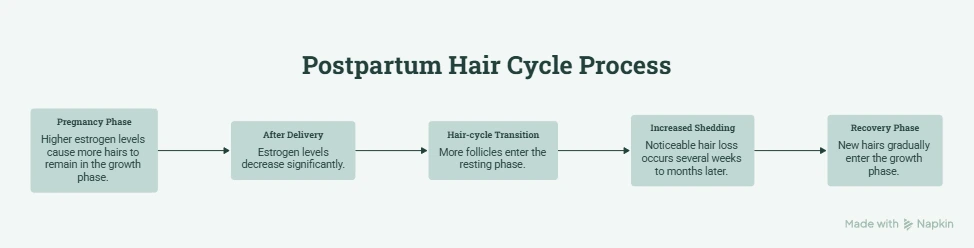
During pregnancy, higher estrogen levels keep more hairs in the active growth phase for
longer. After delivery, estrogen levels fall, and more hairs gradually enter the resting phase
of the hair cycle. The result is increased shedding that usually becomes noticeable several
weeks to a few months after childbirth.
For most women, the shedding gradually improves and hair density returns over time.
Important: Not every case of postpartum hair loss is caused by hormonal
changes alone. Persistent shedding, progressive thinning, or patchy hair loss may
require medical assessment to identify other contributing factors.

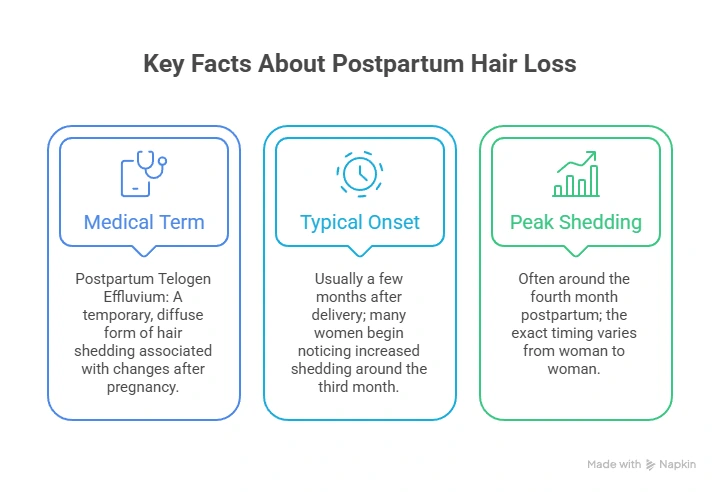
Key Facts About Postpartum Hair Loss

How Is It Evaluated?
Clinical assessment ± scalp trichoscopy
The doctor may use scalp examination and trichoscopy to evaluate the pattern of hair loss
and look for other causes.
Are Blood Tests Always Needed?
Not necessarily
Blood tests may be recommended when the medical history or examination suggests
nutritional deficiencies, thyroid problems, anemia, or another contributing condition.
Is It Permanent?
Usually not
Postpartum shedding is generally temporary, and hair growth gradually returns as the hair
cycle normalizes.
When Should You Seek Medical Advice?
If shedding is prolonged, severe, progressive, or associated with other symptoms
Persistent hair loss may indicate another condition that needs evaluation.

What Causes Postpartum Hair Loss?

Hair naturally moves through a continuous growth cycle consisting of three main phases:
1. Anagen – Growth Phase
This is the active growth stage of the hair follicle. Most scalp hairs are normally in this
phase.
2. Catagen – Transition Phase
During this short phase, the follicle gradually reduces its growth activity.
3. Telogen – Resting Phase
The hair follicle enters a resting period before the old hair is released and eventually
replaced by a new growing hair.
During pregnancy, hormonal changes—particularly increased estrogen—keep more hairs
in the growth phase and reduce normal shedding.
After childbirth, estrogen levels decline. As the hair cycle adjusts, a larger number of hairs
move into the resting phase. The hairs do not necessarily fall out immediately; shedding
becomes noticeable later, which explains why postpartum hair loss often appears months
after delivery rather than immediately after childbirth.

The Postpartum Hair Cycle Explained

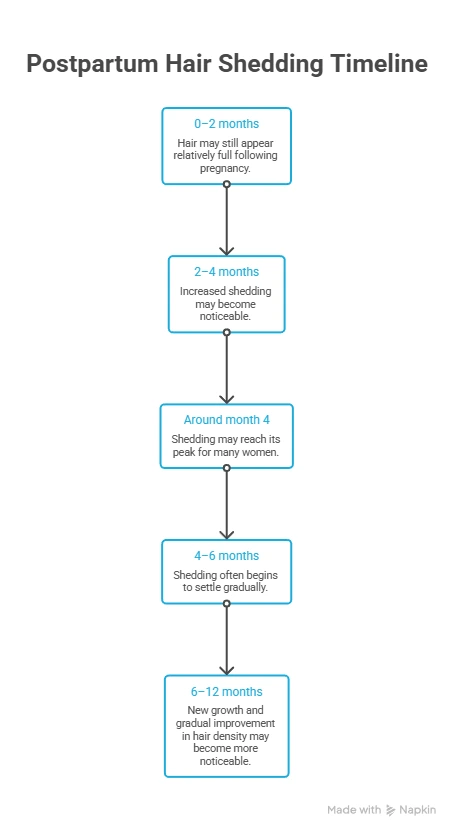
When Does Postpartum Hair Loss Start?

The timing varies, but a common pattern is:

Postpartum hair shedding commonly begins around three months after delivery and is
usually temporary. Cleveland Clinic notes that the shedding may last several months,
while hair fullness generally returns by around the baby’s first birthday for most people.
Individual recovery can vary.

Is Postpartum Hair Loss Always Just Hormonal?

No.
Although hormonal changes are a major factor, other conditions can contribute to hair
shedding or make recovery take longer.
Possible contributing factors include:
• Iron deficiency or anemia.
• Thyroid disorders.
• Inadequate nutritional intake.
• Significant physical or emotional stress.
• Rapid weight loss or restrictive dieting.
• Female pattern hair loss.
• Certain medications.
• Scalp disorders or inflammation.
For this reason, persistent or unusual hair loss should not automatically be attributed to
postpartum hormonal changes.

Frequently Asked Questions

Q1: Is postpartum hair loss permanent?
A: Usually, no.
Postpartum telogen effluvium is generally temporary. As the hair cycle normalizes, new
hair growth gradually replaces the hairs that have been shed. Most women eventually
regain much of their previous hair fullness.
Q2: When does postpartum hair loss usually start?
A: It commonly becomes noticeable a few months after childbirth. Many women notice
increased shedding around the third month, with shedding often reaching its peak around
the fourth month.
Q3: How long does postpartum hair shedding last?
A: The active shedding phase often lasts several months. Hair density then gradually
improves as new growth develops. Many women notice substantial recovery during the
first postpartum year.
Q4: Will biotin stop postpartum hair loss?
A: Not necessarily.
Postpartum telogen effluvium is primarily related to changes in the hair-growth cycle
following pregnancy. Biotin supplementation is not a universal treatment for postpartum
shedding, particularly when there is no documented deficiency.
Q5: Do I need blood tests?
A: Not necessarily.
Many cases of telogen effluvium can be assessed clinically. Blood tests may be
recommended when the doctor suspects contributing factors such as iron deficiency,
anemia, thyroid disease, or another nutritional or medical issue.
Q6: Can trichoscopy diagnose postpartum hair loss?
A: Trichoscopy can be a useful tool for examining the scalp and hair shafts and distinguishing
between different patterns of hair loss. However, diagnosis should consider the clinical
history and physical examination as well.
Q7: Can I use hair-loss medication while breastfeeding?
A: Do not start hair-loss medication during breastfeeding without discussing it with your
healthcare provider. Some hair-loss medications are not recommended during
breastfeeding, so the specific treatment must be reviewed individually.
Q8: Does every woman experience postpartum hair loss?
A: Postpartum shedding is very common, but the degree of shedding varies considerably
between women. Some notice only a mild increase in hair fall, while others experience
much more noticeable shedding

“It may sound strange, but using your other hand can be both fun and beneficial at the same time.”

I heard an unusual piece of information that says

Training the non-dominant hand can be an effective way to stimulate the brain and enhance motor skills.Using your non-dominant hand also helps you express your emotions more deeply, as it allows you to think about them more clearly.

This information is actually strange, because we often want to try something new to stimulate our brains, but most activities turn out to be difficult and complicated.
So most of the time, we end up doing nothing, even though something as simple as using the hand we’re not used to can be new, useful, and even funny. For example, I have good handwriting, but when I try to write with my other hand, the handwriting definitely looks strange.

So, what exactly does this benefit us in?

1-It helps improve communication and coordination between the two hemispheres of the brain.

2-It contributes to enhancing brain flexibility and adaptability.

3-It helps improve fine motor skills and better control of movements.

For me, the most important thing is to improve focus, so I will definitely try something like this. There are also advanced and modern solutions for focus called  IV drip.

So, what steps can I start with?

There are 3 levels if you want to take this as a personal challenge.

Beginner Level:

  • Writing: Start by writing a few sentences daily with your non-dominant hand.

  • Brushing Teeth: Try brushing your teeth with your non-dominant hand.

  • Grabbing Objects: Practice picking up objects of different sizes using your non-dominant hand.

Intermediate Level:

  • Drawing: Draw simple shapes with your non-dominant hand.

  • Using a Computer Mouse: Use the mouse with your non-dominant hand.

  • Peeling Fruits and Vegetables: Try peeling them with your non-dominant hand.

Advanced Level:

  • Cooking: Chop vegetables and try cooking tasks with your non-dominant hand.

  • Sports: Perform some exercises using your non-dominant hand.

  • Playing a Musical Instrument: Try playing an instrument with your non-dominant hand.

Share with us if you’re excited to start the challenge and try something new, fun, and beneficial at the same time.

Hydracool Plus Eye: The Ultimate Solution for Mature Skin Around the Eyes

For mature women seeking a non–invasive way to refresh and rejuvenate the delicate skin around their eyes, Hydracool Plus Eye offers a powerful solution. This advanced treatment is designed to address common concerns like puffiness, dark circles, fine lines, and loss of firmness, making it a popular choice for those wanting to maintain a youthful and radiant appearance without surgery or downtime

Hydracool Plus Eye is a specialized skincare treatment that combines cutting–edge technologies to deeply hydrate, rejuvenate, and tighten the skin around the eyes. It utilizes a mix of hydration, cooling, and collagen–boosting techniques to restore vitality and reduce visible signs of aging. The procedure is gentle, non–irritating, and suitable for all skin types, including sensitive and mature skin

What Concerns Does Hydracool Plus Eye Treat?

This treatment is highly effective for:
• Dark circles
• Eye puffiness
• Fine lines & wrinkles
• Tired eyes
• Dehydrated under–eye skin
• Dullness or uneven tone

Key Benefits for Mature Women- Reduces Puffiness & Dark Circles:

The cooling effect soothes tired eyes and diminishes puffiness, helping to reveal a brighter,more rested look.
• Minimizes Fine Lines & Wrinkles: By boosting collagen production, Hydracool Plus Eye helps smooth out fine lines and wrinkles for firmer, younger–looking skin.
• Improves Skin Texture: The treatment exfoliates and deeply cleanses the skin,
promoting smoother texture and a more even tone.
• Enhances Hydration: Hydracool Plus Eye delivers intense moisture to the delicate eye area, preventing dryness and restoring elasticity.
• Boosts Circulation: Increased blood flow gives the skin a natural glow and helps reduce the appearance of dark circles.

Why Choose Hydracool Plus Eye?

• Non–Invasive & Safe: No surgery or needles required
• Quick Results: Many women notice visible improvements after just one session
• No Downtime: Resume daily activities immediately after treatment
• Customizable: The procedure can be tailored to address specific concerns such as puffiness ,and dark circles

Hydracool Plus Eye is a revolutionary option for mature women looking to revitalize their eye area with safe, effective, and non–invasive care. With its impressive list of benefits and growing popularity, it’s no wonder more women are turning to Hydracool Plus Eye for a refreshed, youthful look.

Who Is Hydracool Plus Eye Suitable For?

Perfect for:
• Emirati women seeking natural, youthful results
• Women aged 20–50+
• Anyone experiencing stress, fatigue, or aging signs around the eyes
• Brides and event–ready clients

5. Ideal Before Events

Many Emirati women choose Hydracool Plus Eye before:
• Weddings
• Engagements
• Photoshoots
• Special occasions
Because it gives a natural lifted, glowing eye area instantly.

At Everlast Clinic, we offer the Hydracool Plus Eye treatment as a fast and effective solution to restore eye brightness, reduce dark circles, hydrate the area, and minimize puffiness all in one comfortable session that delivers noticeable results from the very first moment

Related Services

Hydracool Plus Eye Package

Share This Article

Clear, Radiant Skin with Blackheads Laser Treatment

Blackheads are a common skin concern that can affect anyone, including many Emirati women who value flawless, glowing skin. These tiny dark spots result from clogged pores filled with excess oil and dead skin cells, often worsened by environmental factors and skincare product buildup. Fortunately, modern laser treatments offer a highly effective, safe, and gentle solution to banish blackheads and reveal clear, radiant skin

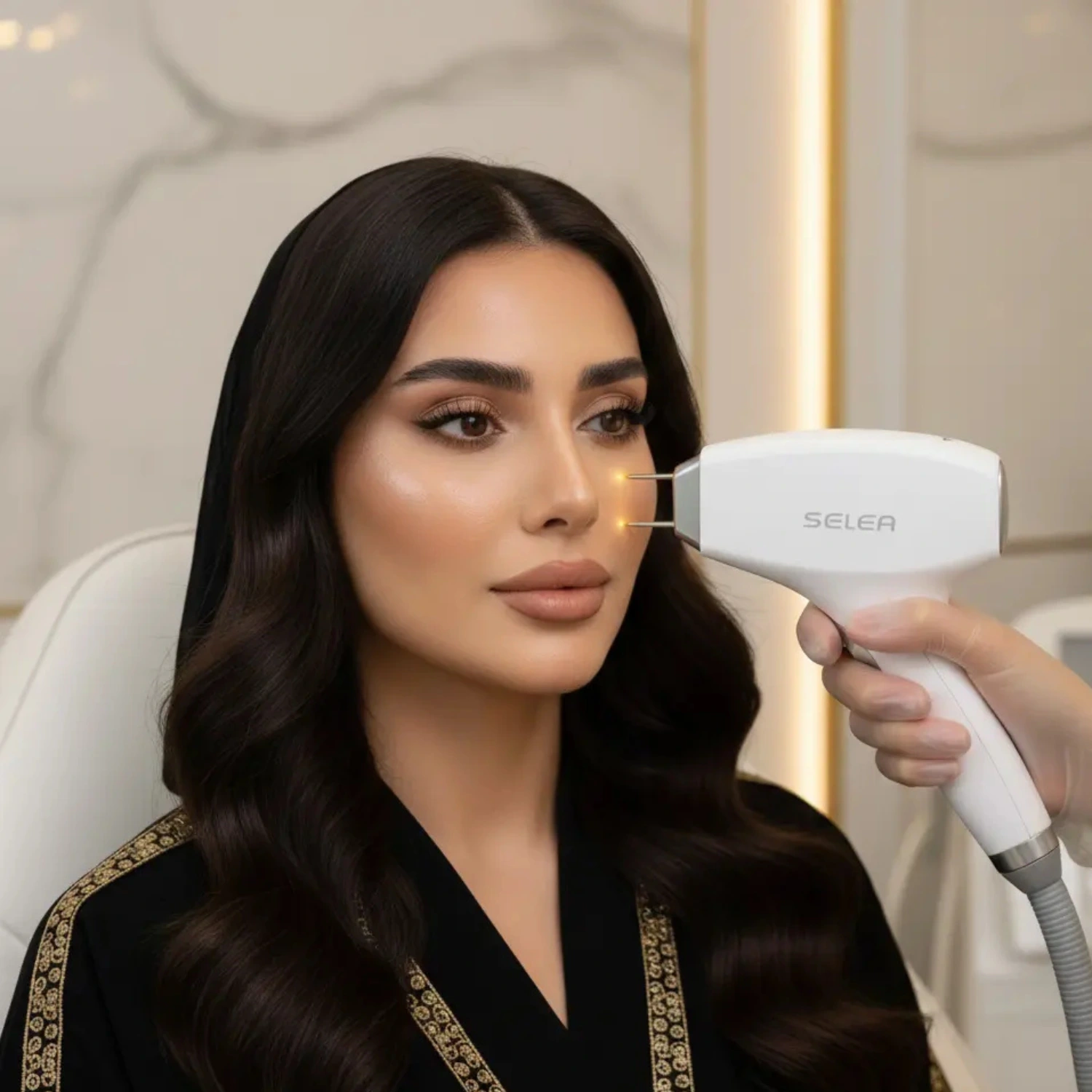
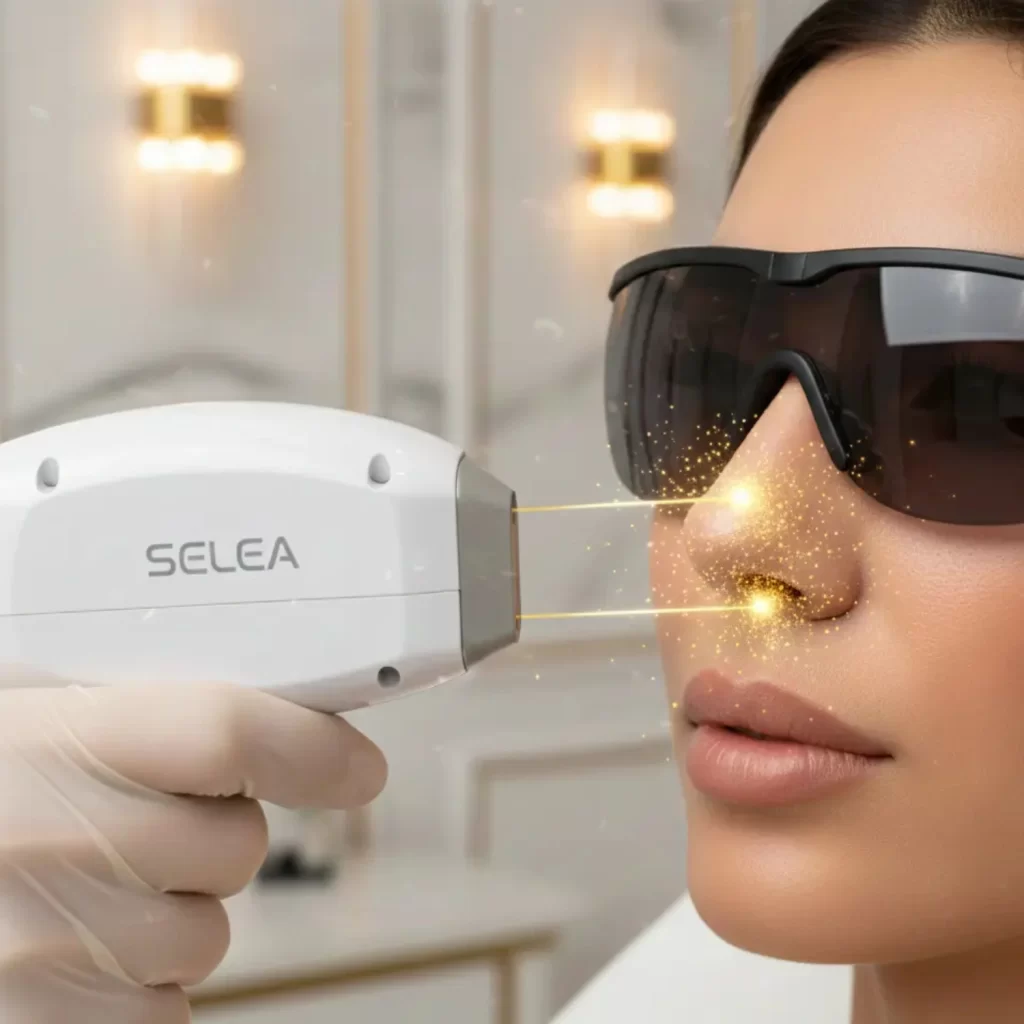
Blackheads laser treatment uses specialized laser technology to deeply cleanse and purify the skin by targeting clogged pores. By emitting precise light energy, the laser heats and breaks down the dirt, oil, and debris within pores without damaging the surrounding skin.
This process also stimulates collagen production.

Modern laser treatments are quick, non–invasive, and require little to no downtime, making them ideal for the busy lifestyle of Emirati women who want visible results without interruption

How Does the Laser Treatment Work?

A typical blackhead laser session includes:
1. Skin Assessment: A professional evaluation to understand your skin type and the severity of blackheads.
2. Preparation: The skin is cleansed and prepped to enhance laser effectiveness.
3. Laser Application: The laser is carefully applied to the affected areas. Patients may feel a mild warm sensation.
4. Aftercare: Guidance on post–treatment skincare to maintain results and prevent recurrence.


Most clients notice improvement after the first session, with optimal results achieved after 2–4 sessions depending on the skin condition.

Why Emirati Women Prefer Laser for Blackheads?

Emirati women often face environmental challenges such as heat, humidity, and high sun exposure, which can worsen blackheads and clogged pores. Laser treatment is ideal because it:

  • Reduces blackheads and pore size effectively
  • Controls excess oil production.
  • Stimulates collagen for smoother skin
  • Prevents scarring and hyperpigmentation
  • Works safely for sensitive skin types

Benefits for Emirati Women

What to Expect During and After Treatment?

Before laser treatment, the skin is cleansed to remove surface impurities. During the session, a cool laser device is passed over the affected areas commonly the nose, chin, forehead, and cheeks—providing a comfortable warming sensation. Many Emirati women appreciate that the procedure respects cultural norms by being private, professional, and accommodating. Post–treatment, mild redness may occur but typically subsides within hours. The skin will begin to clear as blackheads are eliminated, with continuing improvement over successive sessions.

Complementary Skincare Advice

Following blackheads laser treatment, maintaining a consistent skincare routine tailored to your skin type helps sustain results. Lightweight, oil–free moisturizers and gentle cleansers suitable for Middle Eastern skin are recommended. Avoiding heavy makeup and protecting skin from sun exposure with SPF enhances treatment benefits and keeps skin healthy year– round

Laser blackheads removal offers a transformative path to clearer, healthier skin while fitting the unique needs and preferences of Emirati women. With expert guidance and advanced technology, this treatment unlocks the confidence that comes with radiant skin ready to shine in every moment.

Take the First Step Toward Clearer Skin

Don’t let blackheads affect your confidence. With Blackhead Laser Treatment at Everlast, you can achieve smooth, radiant, and healthy–looking skin—safely and effectively.

Related Services

Blackheads Laser

Share This Article