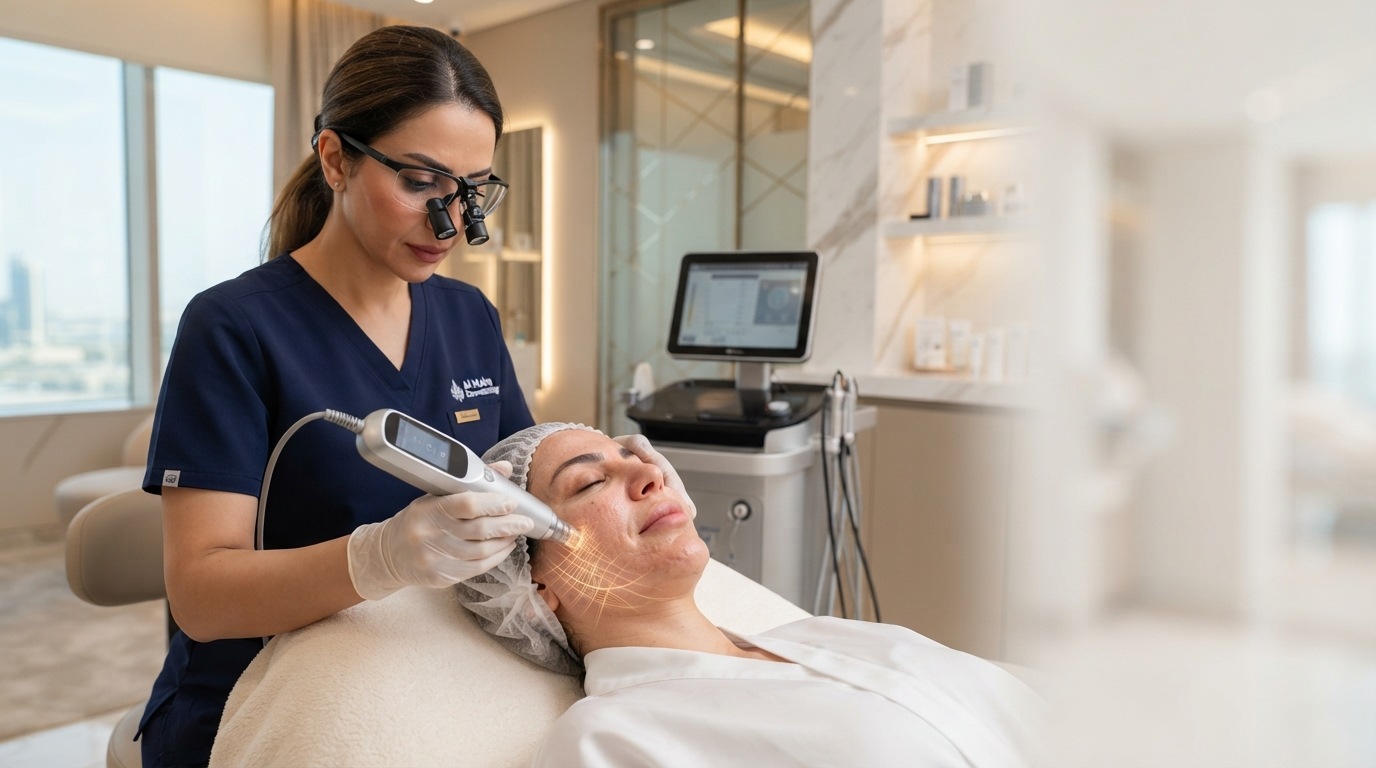
Have you noticed changes in your skin texture or a decrease in skin firmness? Have some old acne scars become more noticeable, or are you looking for options to improve the appearance of enlarged pores and fine lines?
There are several possible causes behind these changes. They may be associated with aging, sun damage, or tissue changes following inflammation. Other factors may also contribute, and these can vary from person to person.
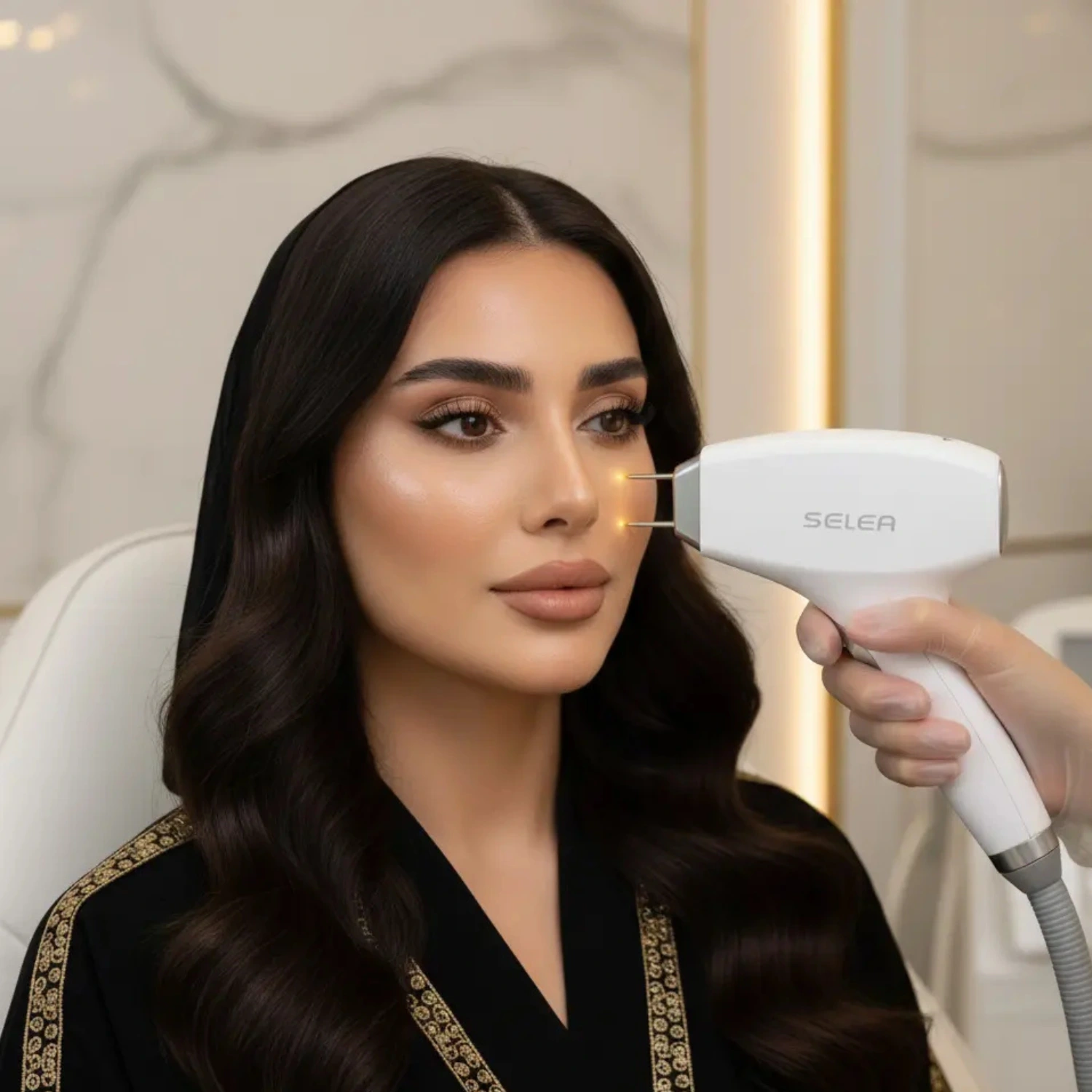
One of the techniques a physician may discuss for certain skin concerns is Radiofrequency Microneedling (RF Microneedling).
The treatment combines the insertion of fine needles into the skin with the delivery of
radiofrequency energy to targeted tissues. This creates a localized thermal effect that may stimulate tissue response and remodeling.
However, it is important to distinguish between the mechanism of the treatment and its clinical outcome. A thermal effect within the skin does not necessarily mean a specific degree of tightening or complete scar removal. Results and risks vary depending on the individual condition, treatment method, and device used.
1. What Is Radiofrequency Microneedling?
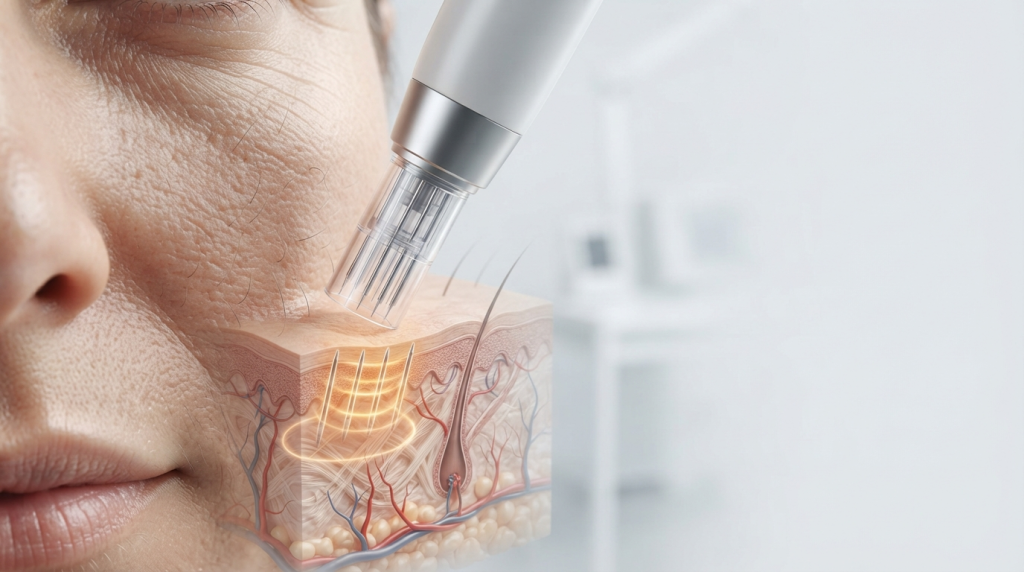
Radiofrequency Microneedling is a medical technique that combines microneedling with
radiofrequency energy.
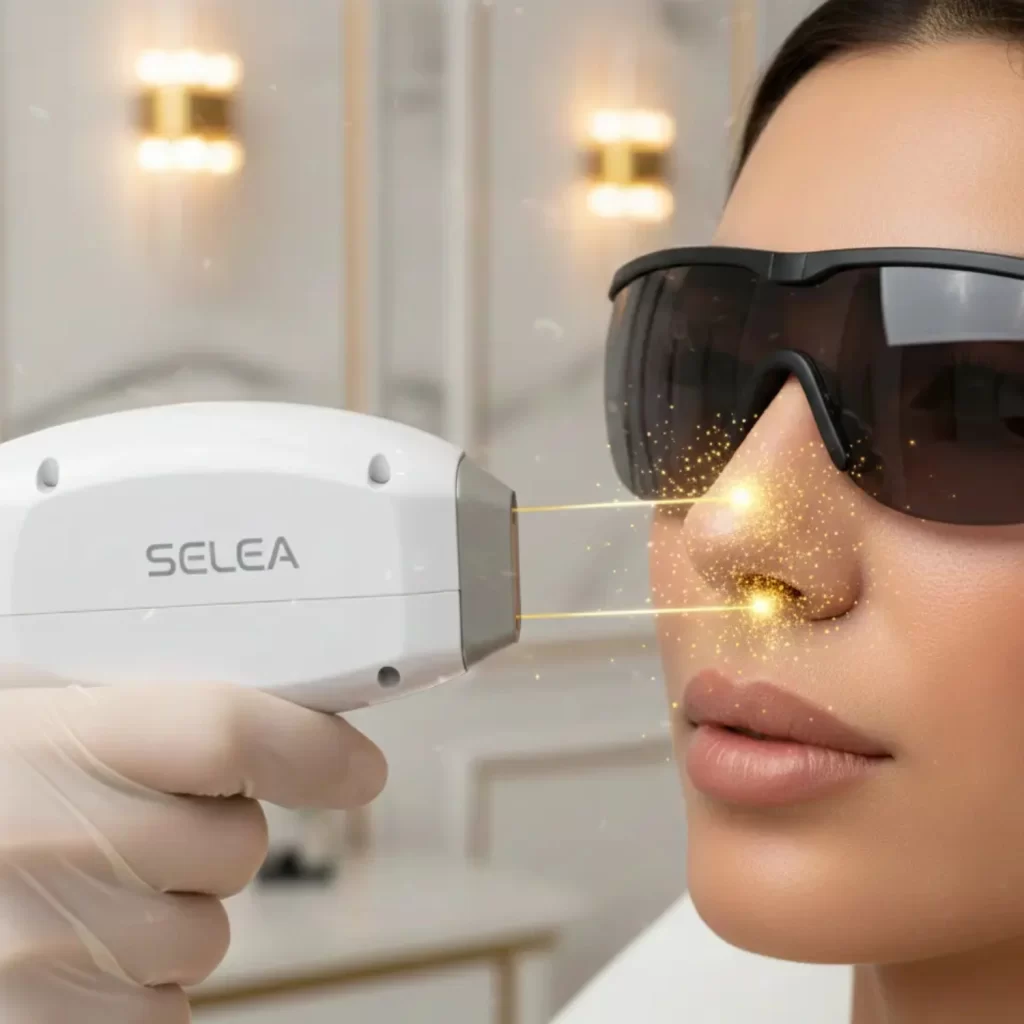
During the procedure, fine needles penetrate the skin according to settings determined by a qualified practitioner. Radiofrequency energy is then delivered to the targeted tissues, creating localized heating that may result in thermal coagulation in the treatment areas.
Unlike traditional mechanical microneedling, the effect is not limited to needle penetration. It also involves the thermal energy generated by radiofrequency.
Devices used for RF Microneedling vary in their needle design, energy delivery method, and ability to adjust treatment depth and settings. Therefore, the specifications of one device should not be generalized to all RF Microneedling devices.
The treatment may be considered as part of a plan targeting certain skin concerns, but its suitability depends on medical assessment, the specific device, and its approved instructions for use.
2. What Is the Relationship Between Collagen and Skin Firmness?
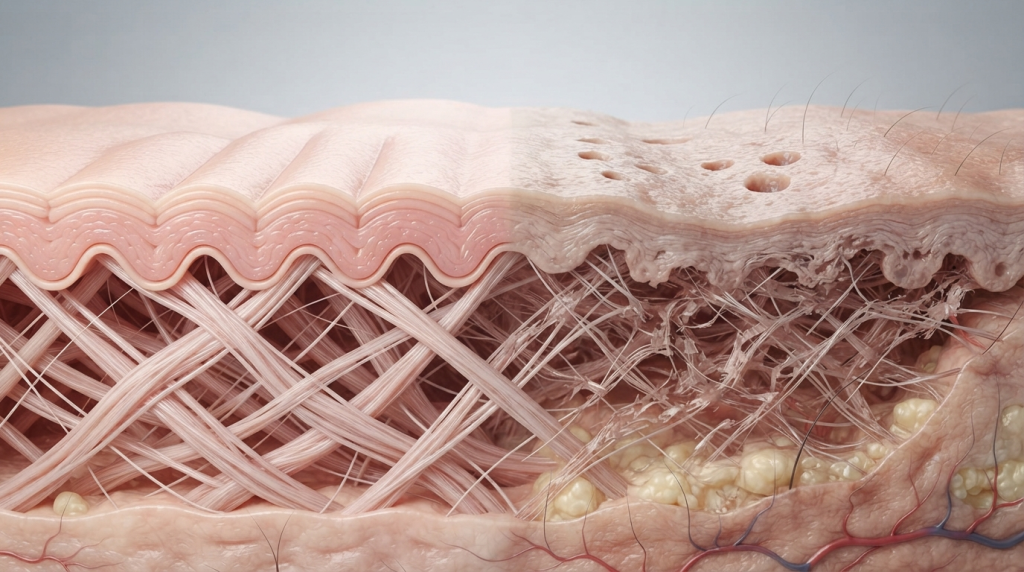
Collagen is one of the primary proteins in the dermis and contributes to the structure and
strength of the skin. Elastin contributes to skin elasticity.
As we age, gradual changes occur in the structure and components of the skin. Repeated
exposure to ultraviolet (UV) radiation can also cause harmful changes to collagen and other components of the dermis.
These changes may appear as:
• Fine lines
• Wrinkles
• Reduced skin elasticity
However, not every skin concern can be explained by a lack of collagen. Enlarged pores, scars, and skin laxity may have different causes and mechanisms.
Therefore, identifying the nature of the skin concern should come before selecting a treatment that may help improve its appearance.
3. How Does Radiofrequency Microneedling Work?
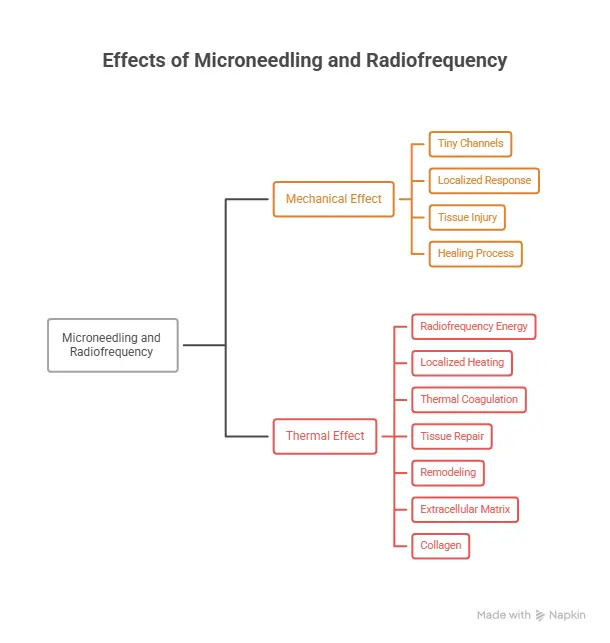
However, this should not be described as complete collagen rebuilding, nor should it be
considered a guarantee of skin tightening or scar removal.
The effect also depends on how the device is used, needle depth, energy level, treatment area, and the tissue response.
Why Should Skin Treatment Begin With Medical Assessment?
Skin concerns may look similar on the surface, but their causes and characteristics can be very different.
Not all acne scars are the same. Reduced skin firmness does not always result from one single factor, and enlarged pores may also have multiple causes.
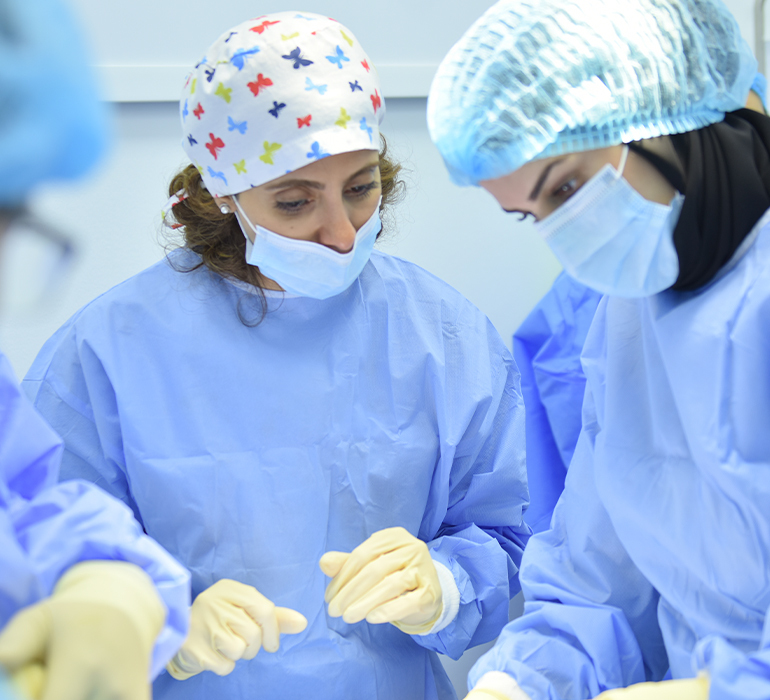
Medical assessment can therefore help determine the nature of the concern, discuss whether RF Microneedling is appropriate, and clarify potential results, risks, and alternatives.
Imaging or additional assessments may be used when appropriate, but they are not a fixed requirement for every case.
The goal is to select a treatment based on the skin’s needs not simply to use a device because it is available
Conclusion: Is Radiofrequency Microneedling Right for Your Skin?
Radiofrequency Microneedling combines microneedling with the delivery of thermal energy to targeted tissues. A physician may consider it for certain skin concerns, including some types of acne scars and uneven skin texture.
However, the suitability of the procedure and its potential results vary from person to person.
Skin tightening, scar removal, or a specific degree of improvement cannot be guaranteed.
The procedure also carries potential risks, making medical assessment and a clear discussion of benefits, alternatives, and precautions important.
At Everlast Wellness Medical Center in Abu Dhabi, skincare begins with assessing the skin’s needs and discussing available options with the medical team before determining an appropriate treatment plan.
If you would like to know whether this technique may be suitable for your skin, you can book a consultation to discuss your goals, available options, and potential risks.
Because choosing the right treatment starts with understanding your skin not the name of the device.