
Are Super Foods Really There? Or Are They Just Everyday Food?

 Food comes in different types, and sometimes we think we’re eating well, yet our health isn’t at its best or we constantly feel tired. This is often due to the quality of the food we consume, not just the quantity.

Now, let me tell you a story.

The Sugar and Mice Story

A simple experiment: two groups of mice with the same intelligence.
The only difference? Sugar.

After four weeks, they entered a maze:

  • No-sugar mice: solved it quickly and remembered the path.
  • Sugar-fed mice: got confused and forgot the solution easily.

Why?
Excess sugar weakens focus and memory.

The takeaway:
Sugar makes our brain act like theirs.
More sugar = less focus and weaker memory.
Cut down on sugar and take back control of your focus 

To improve your focus, you should reduce your sugar intake

Also, try to reduce foods that don’t benefit your body, like fast food, fried snacks, and sweets.

Key Health Benefits of Superfoods

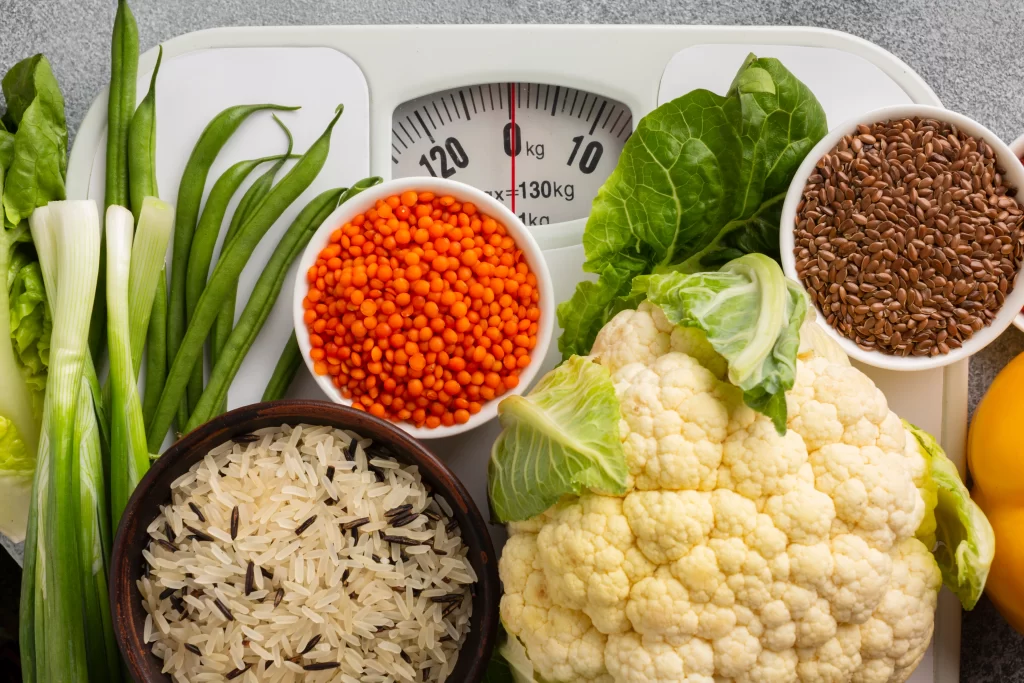
These foods boost immunity, reducing symptoms of illnesses, improving memory, aiding digestion to keep your stomach comfortable, and providing energy and vitality—all from natural, healthy foods. Superfoods also help reduce the risk of diabetes and high blood pressure, and support management for those already diagnosed, alongside medications and medical treatment, not as a replacement

And Lastly, This is A List Of Super Foods

Blueberries – Brain Booster
Powerful antioxidants improve memory, reduce inflammation, and protect the heart. Add to yogurt or smoothies.

Dark Leafy Greens (Spinach, Kale)
Vitamins and minerals boost immunity and support brain, eye, and bone health. Add to salads or soups.

Avocado – Healthy Fats
Supports heart and circulation health and helps absorb vitamins. Use in salads.

Salmon – Omega-3
Strengthens the brain and heart, reduces inflammation. Grill or bake with vegetables.

Broccoli – Cancer Fighter
Powerful protective compounds enhance bone and eye health. Steam with garlic.

Quinoa – Complete Protein
Contains all 9 essential amino acids and is high in fiber. Use as a rice alternative.

Garlic – Natural Antibiotic
Allicin boosts immunity and fights viruses. Add raw or cooked.

Nuts & Almonds – Healthy Energy
Rich in vitamin E and zinc to strengthen immunity and brain health. Eat a handful daily.

Turmeric – Anti-inflammatory
Curcumin improves joint and brain health. Add to curry or golden milk.

Goji Berries – Super Strength
12x more antioxidants than blueberries! Eat dried or in smoothies.

Citrus Fruits – Vitamin C
Boost immunity and protect against illnesses. Drink fresh orange juice.

And Don’t Forget, If you feel overwhelmed to start eating all of this, you can start with a quick and safe solution for a fair energy boost.

Celebrating UAE National Day: Pride, Heritage, and Unity

Every year on December 2nd, Emiratis and residents across the United Arab Emirates celebrate the formation of the UAE in 1971. UAE National Day is a time to reflect on the country’s incredible journey, its culture, and its achievements.

A Day of Pride and Patriotism

National Day is more than just a public holiday, it’s a celebration of national identity, unity, and pride. Cities across the UAE come alive with fireworks, flag displays, and cultural performances, while streets, malls, and homes are decorated in the colors of the UAE flag: red, green, white, and black.

Honoring Heritage and Tradition

The celebrations also honor the rich heritage and traditions of the Emirates. From traditional dances like Ayallah and Harbiya to displays of falconry and camel shows, locals and visitors get a glimpse into the country’s unique history and values.

A Time for Reflection and Community

UAE National Day serves as a reminder of the country’s rapid development and major achievements in education, health, technology, and sustainability. It is also a time for communities to come together, reflecting the spirit of tolerance, harmony, and inclusivity that defines the UAE today.

How to Celebrate

Whether attending public parades, participating in cultural events, or spending time with family and friends, National Day is the perfect opportunity to show appreciation for the UAE’s journey and future aspirations. Many people also take part in charity initiatives, reinforcing the sense of community and giving

UAE National Day is a celebration of unity, pride, and shared dreams. It’s a time to reflect on how far the nation has come and to look forward to the opportunities ahead. For residents and visitors, it’s a chance to experience the warmth, hospitality, and rich cultural heritage of the UAE firsthand

At Everlast Wellness Medical Center, we love this day and share the pride with all Emiratis and residents. It’s a day to express our love for our country and celebrate the unity and achievements of the UAE

Happy UAE National Day! Celebrate with pride, joy, and gratitude.

Say Goodbye to Nail Fungal Infections with Our Laser Package

Nail fungal infections, also known as onychomycosis, are more common than you might think. They can affect anyone, leading to thickened, discolored, or brittle nails, often causing discomfort and embarrassment. If left untreated, the infection can spread to other nails or even your skin.

At Everlast Medical, we offer a state-of-the-art Nail Fungal Infection Laser Package that combines effectiveness, safety, and convenience.

What Is Nail Fungal Infection Laser Treatment?

Laser treatment for nail fungal infections uses targeted beams of light to penetrate the nail plate. The laser energy heats and destroys the fungi, disrupting their metabolism and preventing regrowth. Unlike oral medications that affect the whole body, laser treatment acts locally with nosystemic side effects

Additionally, this therapy stimulates nail regeneration, making nails stronger and healthier over time.

How Does the Laser Package Work?

A typical nail fungal infection laser package consists of multiple sessions—usually 4 to 6 spaced about a week to a month apart. Each session lasts around 15 to 45 minutes depending on the number of nails treated. Before laser application, the nail surface is prepared by trimming and filing to enhance laser penetration. During the treatment, patients may feel a warm sensation but no pain. There is no downtime after treatment; normal activities can be resumed immediately. A full course helps destroy existing fungal infections and minimizes the risk of recurrence

What Causes Nail Fungal Infections?

Fungal infections thrive in warm, moist environments. Common causes include:

• Wearing closed shoes for long hours
• Walking barefoot in public areas.
• Weakened immunity 

• Minor nail injuries that create entry points for fungi

Why Choose Laser Treatment?

Traditional antifungal creams and oral medications can be slow, sometimes taking months to show results. Laser therapy offers several advantages:
1. Fast and Precise: Targets fungal cells directly without harming surrounding tissue.
2. Pain-Free and Non-Invasive: No needles, no downtime.
3. Safe for Most Patients: Suitable for adults of all ages.
4. Effective on Resistant Fungi: Works even when topical or oral treatments fail

Benefits of Laser Treatment Packages

High efficacy: Clinical studies show success rates between 70% and 95%, with significant improvement in nail clarity and strength.
Non-invasive and painless: No incisions or medications are needed, and treatment is well tolerated.
No systemic side effects: Safe for patients who cannot take oral antifungals.
Stimulates nail regeneration: Improves the overall health and appearance of the nail plate.
Quick and convenient: Sessions are short, and there is no recovery time required.
Long-lasting results: Many patients experience permanent resolution with proper follow-up care.

What to Expect After Treatment?

Following the laser package, nails gradually return to their natural color and texture as healthy nail grows out. Full regrowth can take several months, typically up to a year. Patients are advised to maintain good nail hygiene and sometimes repeat the package yearly to prevent reinfection. Regular monitoring by a specialist helps ensure lasting results.

At Everlast, we combine the latest medical technologies with expert dermatological care to ensure safe, effective, and lasting results. Our team tailors each treatment plan specifically for Emirati clients and residents of the UAE, considering climate, lifestyle, and nail care habits.

Related Services

Nail Fungal Infection Laser Package

Share This Article

Feel the Lift, See the Glow — Experience Intralifting Magic

In the ever-evolving world of medical aesthetics, intralifting has emerged as
a cutting-edge, minimally invasive procedure designed to rejuvenate and
tighten the skin naturally. This innovative treatment offers a non-surgical
solution for those seeking youthful, radiant skin without downtime or
extensive recovery.

What is Intralifting?

Intralifting is a skin tightening and lifting procedure that uses specialized microneedling combined with radiofrequency or laser technology
(depending on the system used) to stimulate collagen production deep within the skin layers. By creating controlled micro-injuries, it activates the body’s natural healing response, leading to firmer, smoother, and more elastic skin over time

How Does Intralifting Work?

The treatment involves inserting fine needles just beneath the skin surface,
delivering precise energy that heats dermal tissue without damaging the
outer layers. This controlled thermal effect encourages:
Collagen and elastin synthesis
Improved blood circulation
Skin remodeling and tightening
The result is a lifted appearance, reduced fine lines, and improved skin texture in areas like the face, neck, and décolletage

  • Non-surgical and minimally invasive
  • Stimulates natural collagen production
  • Improves skin firmness and elasticity
  • Reduces wrinkles and fine lines
  • Enhances skin texture and tone
  • Minimal downtime with quick recovery
  • Safe for most skin types

Ideal Candidates for Intralifting

Intralifting suits individuals with mild to moderate skin laxity who desire
natural-looking rejuvenation without going under the knife. It’s particularly
effective for those seeking:
Lifting of sagging cheeks, jawline, or neck
Reduction of nasolabial folds and marionette lines
Overall skin revitalization and glow

What to Expect During and After Treatment?

A typical intralifting session lasts about 30-60 minutes, depending on the treatment area. Patients may experience mild redness or swelling immediately afterward, which usually subsides within 24-48 hours. Multiple sessions spaced 3-4 weeks apart are recommended for optimal and lasting results.

Are You the Right Age for Intralifting?

Here’s How to Know!

The best age for intralifting, based on the information relevant to Everlast
Wellness Medical Center and current aesthetic practices, is typically
between the late 20s and early 60s. At Everlast, intralifting is
recommended:
From the late 20s to 30s as a preventive treatment to maintain skin
elasticity and delay early signs of aging.
In the 40s to 50s as a corrective method to address visible skin laxity,
wrinkles, and loss of firmness.
Into the early 60s for those with mild to moderate sagging who want a
non-surgical alternative to traditional facelifts.


This age range aligns with clients seeking natural, minimally invasive
rejuvenation with minimal downtime, making intralifting an ideal choice for
diverse skin aging stages at Everlast Wellness Medical Center.

Why Choose Intralifting at Everlast Wellness Medical Center?

At Everlast Wellness Medical Center in Abu Dhabi, we use the latest
intralifting technology combined with personalized treatment plans to
ensure safe and effective skin rejuvenation tailored to your unique skin
needs

Liposuction: Sculpt Your Body and Reveal a New You

Syringe Liposuction at Everlast Clinic: Precision Contouring for Emirati Women

In the UAE, where elegance and wellness go hand in hand, having a sculpted, toned body is a reflection of confidence and sophistication. At Everlast Clinic, we offer syringe liposuction, a precision fat removal technique designed specifically for delicate areas, giving Emirati women natural, smooth, and refined results.

What is Syringe Liposuction?

Syringe liposuction is an advanced method of removing small, localized fat deposits using a hand-held syringe and a tiny cannula. Unlike traditional liposuction, this technique allows for precise control, perfect for areas such as the chin, face, arms, knees, or any small pockets of stubborn fat. It is gentle, minimally invasive, and ideal for achieving subtle.

Why Choose Syringe Liposuction at Everlast?

1. Precision for Delicate Areas: Our specialists can sculpt areas where exact shaping is crucial, enhancing natural beauty without overcorrection.
2. Minimally Invasive & Safe: Smaller incisions mean minimal bruising, faster
healing, and almost invisible scars.
3. Customized Treatments: Every treatment plan is personalized to your body’s
unique shape and goals.
4. Natural, Smooth Results: Say goodbye to stubborn fat while maintaining a
graceful, natural appearance.
5. Luxurious, Comfortable Care: Our clinic offers a private, safe, and premium
environment designed for Emirati women seeking excellence in cosmetic care.

Ideal Candidates

  • Women near their ideal weight with small fat deposits resistant to diet and exercise.
    • Those seeking subtle and elegant body contouring rather than large-volume fat
    removal.
    • Individuals with good skin elasticity, which ensures smooth and refined results.

Recovery and Care

Liposuction is usually faster compared to traditional liposuction procedures, but it may vary depending on several factors such as the size of the treated area, the technique used, and the patient’s health condition. In many cases, patients can resume light daily activities within 1-3 days, with swelling and bruising gradually subsiding over a few weeks.
The full recovery period, when the results stabilize and the swelling disappears completely, may take approximately 2 to 6 weeks, depending on several individual factors. Compared to traditional liposuction, syringe liposuction is less invasive and generally has a faster recovery time.

Why Everlast Clinic Stands Out?

At Everlast Clinic, we understand the preferences and lifestyle of Emirati women. Our approach combines cutting-edge technology, precision techniques, and personalized care, ensuring results that are safe, natural, and elegant. We don’t just remove fat we sculpt confidence and celebrate your natural beauty

What is the Suitable Age for Syringe Liposuction?

The suitable age for syringe liposuction generally starts at 18, when physical maturity is reached. There is no strict upper age limit, but candidates must be in good overall health, especially older adults who may need medical evaluation.
Liposuction is rarely recommended for those under 18 except in special medical cases with parental consent and full assessment.
Overall, ideal candidates are typically from their late teens to their 40s, though healthy older adults can also undergo the procedure safely.

Start your journey to precise, natural-looking body sculpting. Book your consultation at Everlast Clinic today and experience the art of syringe liposuction tailored just for you.

Managing Chronic Pain: Holistic Approaches Beyond Medication

Living with chronic pain can feel like carrying an invisible burden that
others cannot see or fully understand. The constant ache in your back, the
persistent throbbing in your joints, the sharp pains that disrupt your sleep—
all take a toll not only on your body but also on your mind, emotions, and
overall quality of life.
If you’re among the estimated 1.5 billion people worldwide living with
chronic pain, you know that medication alone often isn’t enough. Pills may
provide temporary relief, but they rarely address the root causes. They can
also bring unwanted side effects, dependency risks, and diminishing benefits over time.

The good news?

A growing body of evidence shows that holistic and integrative approaches can be just as effective and often more effective than medication alone for managing chronic pain. By addressing the physical, emotional, and lifestyle factors that contribute to pain, you can regain control of your life without relying solely on drugs.
This comprehensive guide walks you through evidence-based holistic
strategies for managing chronic back pain, joint pain, and other persistent
pain conditions. You’ll discover practical interventions you can start today to
reduce pain, improve function, and reclaim your quality of life.

Understanding Chronic Pain: More Than Just Physical

Before exploring solutions, it’s essential to understand what chronic pain actually is ,and why it’s so complex.
What Makes Pain “Chronic”?
Acute pain is your body’s alarm system—it alerts you to injury or illness and usually disappears once the underlying problem heals.
You cut your finger—it hurts, heals, and the pain goes away.Chronic pain, however, persists for three months or longer, often continuing long after the original injury has healed. 

It can also develop without any identifiable injury at all. In such cases, pain becomes a condition in itself, rather than just a symptom

Common types of chronic pain include:
Neck pain
Headaches and migraines
Fibromyalgia (widespread muscle pain)
Neuropathic pain (nerve damage)
Post-surgical pain
Complex regional pain syndrome

The Pain Cycle: Why It Persists

Chronic pain creates a vicious cycle that affects multiple aspects of life.

Physical Impact:
Reduced mobility and stiffness
Muscle weakness from inactivity
Poor posture due to guarding painful areas
Fatigue from ongoing discomfort

Emotional Impact:
Depression (chronic pain increases risk fourfold)
Anxiety and fear of worsening pain
Anger and frustration
Feelings of hopelessness

Amplification Effect

Each of these factors feeds back into pain itself.
Depression lowers pain tolerance. Poor sleep increases sensitivity.
Stress tightens muscles and amplifies pain signals.
Inactivity leads to weakness and stiffness, worsening pain further.

When to Seek Additional Help

See your healthcare provider if:
Pain suddenly worsens or changes
New symptoms (numbness, weakness, bladder/bowel changes) appear
Flare-ups become frequent or unmanageable
Severe anxiety, depression, or suicidal thoughts occur
Advanced options include:
Pain rehabilitation programs
Injections or nerve blocks
Spinal cord stimulation
Intensive CBT or ACT therapy
Surgical review if indicated

Frequently Asked Questions (FAQ)

Q: Can chronic pain cause anxiety or depression?
Absolutely — and vice versa. Pain and mood are bi-directionally linked.
Addressing both together yields the best outcomes.
What helps:
Cognitive Behavioral Therapy (CBT)
Antidepressants that also treat pain (like duloxetine)
Exercise and mindfulness
Social support
Q: My doctor says it’s “all in my head.” Is that true?
Your pain is real.
All pain is processed in the brain—but that doesn’t mean it’s imaginary.
It means your nervous system has become hypersensitive, and holistic
approaches help calm it.
Seek a doctor who listens, believes you, and treats both mind and body.

Women’s Health After 35: Preventive Care & Lifestyle Adjustments

Women entering their mid-thirties experience significant physiological changes that require proactive health management. Understanding these shifts and implementing preventive strategies can dramatically influence long-term wellness, reduce disease risk, and maintain quality of life through the decades ahead.​

Understanding the Transition: What Happens After 35

After age 35, women’s bodies begin the gradual transition toward perimenopause—the period leading up to menopause when hormonal fluctuations begin. Estrogen and progesterone levels start to decline, triggering changes that affect multiple body systems. This phase can last 4-8 years, causing irregular periods, mood swings, sleep issues, and fatigue.

The choices made during this critical window nutrition, exercise, stress management, and preventive screenings have profound effects on future health outcomes including cardiovascular disease, osteoporosis, and metabolic conditions.​

Bone Health: Protecting Against Osteoporosis

The Estrogen-Bone Connection

Estrogen plays a pivotal role in maintaining bone homeostasis by regulating the balance between bone breakdown and bone formation. As estrogen levels decline during perimenopause and menopause, osteoclasts (cells that break down bone) become more active while osteoblasts (cells that build bone) slow down, tipping the scale toward accelerated bone loss. Research shows that up to 20% of bone loss can occur during the menopausal transition, and one in two postmenopausal women will develop osteoporosis.​

Preventive Strategies for Bone Health

Calcium and Vitamin D Intake: Consume calcium-rich foods daily including milk, yogurt, kale, and fortified foods to maintain bone density. Adequate vitamin D is essential for calcium absorption and bone health.​

Weight-Bearing Exercise: Engage in activities where feet and legs support body weight—walking, running, dancing, strength training—to stimulate bone formation and maintain density. Regular resistance training is particularly beneficial for preventing osteoporosis.​

Bone Density Screening: Discuss bone mineral density testing with your healthcare provider, especially if you have risk factors such as family history, early menopause, or prolonged steroid use.​

Cardiovascular Health: Addressing Increased Risk

How Menopause Affects Heart Health

Before menopause, women generally have lower cardiovascular disease risk compared to men, but this protection diminishes as estrogen levels fall. Estrogen helps control cholesterol levels, keeps blood vessels healthy, and prevents arterial plaque buildup. The menopausal transition is associated with adverse changes in blood lipid profiles, including increased LDL (bad cholesterol) and decreased HDL (good cholesterol), which elevate cardiovascular disease risk.​

Additional changes during this period include weight gain (especially around the waist), elevated blood pressure, impaired glucose control, and increased fat accumulation around the heart—all contributing to heightened cardiovascular risk.​

Cardiovascular Protection Strategies

Regular Health Screenings: Begin cholesterol screening at age 45 if no risk factors exist, or earlier if you have diabetes, family history, or other cardiovascular concerns. Monitor blood pressure regularly, as it may increase during perimenopause.​

Heart-Healthy Nutrition: Adopt a plant-based diet rich in fruits, vegetables, whole grains, and healthy fats to support cardiovascular health and manage cholesterol levels.​

Regular Physical Activity: Aim for at least 30 minutes of daily moderate exercise to maintain healthy weight, improve heart function, and reduce cardiovascular disease risk.​

Avoid Smoking and Limit Alcohol: Smoking significantly increases cardiovascular risk, and excessive alcohol consumption can elevate blood pressure and contribute to weight gain.​

Hormonal Changes: Management and Support

Recognizing Perimenopause Symptoms

Common symptoms during the perimenopause transition include irregular or heavy periods, hot flashes, night sweats, mood swings, anxiety, sleep disturbances, vaginal dryness, and decreased libido. Hormonal fluctuations can also lower stress tolerance and amplify existing mental health conditions.​

Lifestyle Adjustments for Hormonal Balance

Hormone Replacement Therapy (HRT)

HRT can effectively relieve hot flashes, night sweats, vaginal dryness, and improve sleep, mood, and joint pain. It may also reduce risks of osteoporosis, fractures, type 2 diabetes, and colorectal cancer. However, HRT carries potential risks including slightly increased breast cancer risk (depending on type and duration), blood clots, and cardiovascular events in certain populations.​

Current medical consensus indicates that for healthy women with significant menopausal symptoms, the benefits of HRT typically outweigh risks, but individual factors must be carefully evaluated with a healthcare provider.​

Essential Health Screenings After 35

Cancer Screenings

Cervical Cancer: Women ages 30-65 should receive Pap tests every 3 years, HPV testing every 5 years, or co-testing (both) every 5 years.​

Breast Cancer: Mammogram screening recommendations vary, but many guidelines suggest starting between ages 40-50 depending on family history and personal risk factors. Women with elevated risk may need earlier or more frequent screening.​

Colorectal Cancer: Begin screening at age 45 with colonoscopy every 10 years or annual stool tests.​

Metabolic and General Health

Diabetes Screening: Monitor blood glucose levels, especially during perimenopause when insulin sensitivity may decrease.​

Annual Well-Woman Visits: Schedule yearly preventive care appointments to review medical history, assess disease risk, discuss lifestyle modifications, and update vaccinations.​

Comprehensive Lifestyle Recommendations

Balanced Nutrition: Prioritize whole foods, adequate protein, calcium-rich foods, and anti-inflammatory ingredients while limiting processed foods, caffeine, and spicy foods that may trigger symptoms.​

Regular Movement: Combine cardiovascular exercise with strength training for bone health, heart health, weight management, and mood regulation.​

Social Connection: Engage with family, friends, or support groups going through similar experiences to share strategies and reduce isolation.​

Avoid Harmful Substances: Eliminate smoking and moderate alcohol consumption to protect cardiovascular and bone health.​

Frequently Asked Questions

Q: At what age does perimenopause typically begin?
A: Perimenopause typically begins after age 35, though the average onset is in the mid-to-late 40s. It can last 4-8 years before menopause (defined as 12 consecutive months without a period).​

Q: Can I prevent bone loss during menopause?
A: While you cannot completely prevent bone loss, you can significantly slow it through calcium and vitamin D intake, weight-bearing exercise, strength training, avoiding smoking, and limiting alcohol. Some women may benefit from medications or hormone therapy—consult your healthcare provider.​

Q: Why does cardiovascular disease risk increase after menopause?
A: Declining estrogen levels remove the protective cardiovascular effects estrogen provides, including cholesterol regulation and blood vessel health. This hormonal shift leads to unfavorable lipid profile changes, increased blood pressure, weight gain, and impaired glucose metabolism

Q: What lifestyle changes are most important after age 35?
A: The most impactful changes include regular exercise (combining cardio and strength training), balanced nutrition rich in calcium and whole foods, stress management practices, consistent sleep routines, maintaining healthy weight, avoiding smoking, limiting alcohol, and keeping up with preventive health screenings.​

Q: How can I manage hot flashes and night sweats naturally?
A: Wear light clothing, keep your bedroom cool, use fans, take cool showers, reduce stress, exercise regularly, maintain healthy weight, and avoid triggers like spicy food, caffeine, hot drinks, smoking, and alcohol. Cognitive behavioral therapy has also shown effectiveness for managing hot flashes.​

Q: Do I still need regular health screenings if I feel healthy?
A: Yes—preventive screenings can detect diseases early before symptoms appear, when treatment is most effective. After 35, recommended screenings include cholesterol testing, blood pressure monitoring, cervical cancer screening, breast cancer screening (age-dependent), bone density testing (if risk factors exist), and diabetes screening.​

Q: How does perimenopause affect mental health?
A: Hormonal fluctuations during perimenopause can lower your threshold for managing stress and amplify symptoms of anxiety or depression, especially if you have a history of these conditions. Sleep disruption from night sweats further impacts mood and cognitive function. Regular exercise, stress management techniques, adequate sleep, and professional support like CBT can help manage mental health during this transition.


The Hidden Health Risks of Living in the UAE: What Expats & LocalsNeed to Know

Living in the UAE offers an exceptional quality of life—world-class infrastructure, diverse communities, and unparalleled opportunities. However, beneath the glittering skyline and luxurious lifestyle lie several hidden health risks that many residents overlook. Understanding these challenges is the first step toward protecting your wellbeing in this unique environment.

The Air Conditioning Paradox: Your Comfort Zone's Dark Side

When temperatures soar above 45°C, air conditioning isn’t just a luxury—it’s essential for survival. Yet this constant climate control comes with unexpected health consequences that affect millions of UAE residents daily.

The Cold Reality of AC-Related Health Issues

Respiratory Problems on the Rise

The stark temperature difference between outdoor heat and indoor cooling creates significant stress on your respiratory system. Moving between 45°C outdoor temperatures and 18°C indoor environments multiple times daily forces your body into constant adaptation mode.

This temperature shock can lead to:

  • Chronic sinusitis and nasal congestion
  • Persistent dry cough and throat irritation
  • Increased susceptibility to respiratory infections
  • Aggravation of existing asthma conditions

The Dry Air Dilemma

Air conditioning systems remove moisture from the air, creating an environment with humidity levels as low as 20-30%—far below the optimal 40-60% range. This excessive dryness affects multiple body systems:

  • Skin: Accelerated moisture loss leads to premature aging, flakiness, and increased sensitivity
  • Eyes: Dry eye syndrome becomes chronic, causing discomfort and potential vision problems
  • Airways: Dried mucous membranes lose their protective barrier function against pathogens

Poor Indoor Air Quality: The Invisible Threat

While we worry about outdoor sandstorms, the air inside our homes and offices often poses greater health risks. Modern buildings in the UAE are sealed tight for energy efficiency, but this creates a perfect storm for air quality issues.

Common Indoor Air Contaminants:

  1. Mold and bacteria from poorly maintained AC systems
  2. Volatile organic compounds (VOCs) from furniture, cleaning products, and building materials
  3. Dust mites and allergens that thrive in carpeted, climate-controlled environments

These contaminants contribute to “sick building syndrome,” causing headaches, fatigue, difficulty concentrating, and long-term respiratory issues.

The Sedentary Lifestyle Trap: When Heat Keeps You Indoors

The UAE’s extreme climate creates an unintentional barrier to physical activity that many residents don’t recognize until health problems emerge.

The Eight-Month Indoor Sentence

From April to November, outdoor temperatures make exercise not just uncomfortable but genuinely dangerous during most daylight hours. This extended period of heat-enforced indoor living has profound consequences:

Physical Health Impacts:

  • Weight gain and obesity rates significantly higher than global averages
  • Increased risk of type 2 diabetes and metabolic syndrome
  • Cardiovascular deconditioning despite gym memberships
  • Vitamin D deficiency (yes, even in the sunniest country!)

Mental Health Consequences:

  • Higher rates of anxiety and depression
  • Reduced exposure to natural light affecting circadian rhythms

The Car Culture Connection

The UAE’s infrastructure prioritizes vehicles over pedestrians, and the climate reinforces this dependency. The average UAE resident walks less than 3,000 steps daily—far below the recommended 10,000. This car-centric lifestyle means:

  • Minimal incidental exercise throughout the day
  • Reduced calorie expenditure from daily activities

The Multicultural Health Challenge

The UAE’s diverse population creates unique health dynamics. Different ethnic groups bring varying genetic predispositions, dietary habits, and health beliefs, yet face common environmental stressors:

South Asian Communities: Higher genetic risk for diabetes and heart disease, compounded by dietary changes and sedentary lifestyle

Arab Populations: Increased prevalence of metabolic syndrome, often masked by traditional clothing that limits sun exposure

Western Expats: Lifestyle changes including increased dining out,  and stress from being away from family support systems

East Asian Communities: Adaptation challenges to different climate and food availability, potential language barriers in healthcare access

The Work-Life Imbalance Reality

The UAE’s dynamic business environment drives economic success but often at a personal health cost.

The 24/7 Culture

Many industries operate around the clock, leading to:

  • Irregular sleep schedules and shift work disrupting circadian rhythms
  • Extended working hours without adequate breaks
  • Eating patterns that don’t align with natural metabolic rhythms
  • Chronic stress from high-performance expectations

Build Healthy Habits That Stick

  • Hydration: Drink 3-4 liters of water daily, more during summer.
  • Nutrition: Emphasize whole foods over restaurant meals.
  • Sleep: Maintain consistent sleep schedule despite social temptations.
  • Stress Management: Incorporate meditation, yoga, or other relaxation practices.
  • Community: Build social connections for mental and emotional support

When to Seek Professional Help

Certain symptoms warrant immediate medical attention:

  • Persistent fatigue despite adequate rest
  • Unexplained weight changes
  • Chronic respiratory issues or frequent infections
  • Skin problems that don’t resolve with moisturization
  • Mood changes affecting daily life
  • Sleep disturbances lasting more than two weeks

Advanced Anti-Aging Treatments: Your Complete Guide to Younger-Looking Skin

Aging is a natural process, but that doesn’t mean you can’t take control of
how your skin ages. With modern aesthetic medicine, you have access to
sophisticated treatments that can turn back the clock and help you maintain
a youthful, radiant appearance. At Everlast Wellness, we offer a
comprehensive range of advanced anti-aging treatments tailored to the
unique needs of our clients in the UAE.
Whether you’re noticing your first fine lines or looking to address more
established signs of aging, understanding your options is the first step
toward achieving your aesthetic goals. Let’s explore the most effective anti-
aging treatments available today

Understanding the Aging Process

Before diving into treatments, it’s helpful to understand what happens to
your skin as you age. The aging process involves several factors: decreased
collagen production, loss of skin elasticity, reduced cellular regeneration,
sun damage accumulation, and volume loss in facial tissues. Environmental
factors like the UAE’s intense sun exposure and indoor air conditioning can
accelerate these changes, making proactive skincare and professional
treatments even more important.

Injectables: Precision Anti-Aging Solutions

Botox

Botox has revolutionized anti-aging treatment since its cosmetic approval.
This injectable treatment works by temporarily relaxing the muscles
responsible for creating expression lines, particularly those on the forehead,
between the eyebrows (frown lines), and around the eyes (crow’s feet).

How it works?

When injected by a skilled practitioner, Botox blocks nerve signals to specific facial muscles, preventing them from contracting. This gives your skin a chance to smooth out, reducing the appearance of wrinkles.

What to expect?

The procedure takes only 10-15 minutes with minimal
discomfort. Results typically appear within 3-7 days and can last 3-4 months. clients schedule maintenance treatments to sustain their results

Best for

Dermal Fillers: Restoring Lost Volume

As we age, our faces naturally lose volume, particularly in the cheeks, lips, and under-eye area. Dermal fillers address this by replacing lost volume and enhancing facial contours for a more youthful appearance.

How they work                                  Most modern fillers are made from hyaluronic acid, a substance naturally found in your skin. When injected into targeted areas, fillers  and can even stimulate your body’s own collagen production

Treatment typically takes 30-45 minutes, depending on the areas treated. Results are immediate and can last anywhere from 6 months to 2 years, depending on the type of filler used and the treatment area. Best for: Volume loss in the cheeks, nasolabial folds ,and jawline definition.

Laser Treatments: Harnessing Light for Rejuvenation

Laser technology offers powerful solutions for multiple signs of aging by precisely targeting skin concerns at various depths.
Ablative Lasers: Deep Resurfacing
Ablative lasers remove the outer layers of skin, promoting new skin growth
and significant collagen remodeling. This aggressive approach delivers
dramatic results for more advanced aging concerns.
Benefits: Significantly reduces deep wrinkles and lines, improves severe sun damage, and tightens skin
texture considerably.
Recovery: Requires 1-2 weeks of downtime with visible peeling.

The UAE’s climate makes post-treatment sun protection absolutely critical

Chemical Peels: Controlled Exfoliation for Renewal

Chemical peels use specially formulated acid solutions to exfoliate the top
layers of skin, revealing fresher, younger-looking skin underneath

Depth Options

Choosing the Right Treatment for You

Selecting the most appropriate anti-aging treatment depends on several factors: your specific concerns and goals, your skin type and condition, your
lifestyle and available downtime, your budget and treatment timeline, and
your age and stage of aging.
During your consultation at Everlast Wellness, our experienced specialists
will assess your skin, discuss your concerns, and recommend a personalized
treatment plan tailored to your unique needs and the UAE lifestyle

The Importance of Maintenance

Anti-aging treatments work best as part of an ongoing skincare strategy.
While results can be dramatic, maintaining your appearance requires
consistent care including regular treatment sessions as recommended, a
quality at-home skincare routine, diligent sun protection (especially critical
in the UAE), healthy lifestyle habits, and adequate hydration and nutrition.
Think of professional treatments as an investment in your skin’s long-term
health and appearance, not just a one-time fix

Safety and Expertise Matter

When it comes to aesthetic treatments, the skill and experience of your
practitioner are just as important as the treatments themselves. Always
choose a reputable clinic with qualified professionals, ensure treatments are performed in a clean, clinical environment, discuss your medical history and any concerns openly, and have realistic expectations about results and recovery.

At Everlast Wellness, our team of trained specialists uses the latest
techniques and highest quality products to ensure safe, effective treatments with natural-looking results.

Pink October: Breast Cancer Awareness Month – Complete Guide

October is more than just the arrival of autumn—it’s Pink October, a month dedicated to raising awareness about breast cancer, supporting survivors, and honoring those we’ve lost. This comprehensive guide will help you understand breast cancer, recognize early warning signs, and learn how you can make a difference.

What is Pink October?

Pink October, officially known as Breast Cancer Awareness Month, is an annual international health campaign held every October. Established in 1985, this movement aims to increase awareness of breast cancer, promote early detection, and raise funds for research into its causes, prevention, diagnosis, treatment, and cure.

The iconic pink ribbon has become the universal symbol of breast cancer awareness, representing hope, strength, and solidarity with those affected by this disease.

Why Breast Cancer Awareness Matters?

Breast cancer is one of the most common cancers affecting women worldwide, but it’s also one of the most treatable when detected early. Understanding the facts can save lives:

The Statistics

Breast cancer affects millions of women globally each year, and while less common. Early detection through regular screening significantly increases survival rates, with a detection rate above 90% when caught in early stages.

When breast cancer is detected early, before it has spread beyond the breast, the survival rate is significantly higher. Regular screenings, self-examinations, and awareness of changes in your body are crucial tools in the fight against breast cancer.

Understanding Breast Cancer

Breast cancer occurs when cells in the breast grow abnormally and uncontrollably, forming a tumor. These cells can invade nearby tissues or spread to other parts of the body through the bloodstream or lymphatic system.

Types of Breast Cancer

Risk Factors

While anyone can develop breast cancer, certain factors increase risk:

Non-Modifiable Factors:

  • Being female (though men can get breast cancer)
  • Increasing age (risk rises after 50)
  • Family history and genetic mutations (BRCA1 and BRCA2)
  • Personal history of breast cancer
  • Dense breast tissue
  • Early menstruation or late menopause
  • Radiation exposure to the chest

Lifestyle Factors:

  • Obesity and physical inactivity
  • Alcohol consumption
  • Smoking
  • Hormone replacement therapy
  • Never having children or having first child after age 30
  • Not breastfeeding

Early Detection: Your Best Defense

The Importance of Screening

Regular screening is the most effective way to detect breast cancer early. Screening guidelines vary, but generally include:

Monthly Self-Examinations: Starting at age 20, women should perform regular breast self-exams to become familiar with how their breasts normally look and feel.

Clinical Breast Exams: Healthcare providers should perform clinical breast exams during regular checkups.

Mammograms: Women should begin annual or biennial mammograms starting at age 40-50, or earlier if they have risk factors.

How to Perform a Breast Self-Exam?

In the Shower: Using the pads of your fingers, move around your entire breast in a circular pattern from the outside to the center, checking the entire breast and armpit area. Check both breasts each month, feeling for any lumps, thickening, or hardened knots.

In Front of a Mirror: Visually inspect your breasts with your arms at your sides, then raised overhead. Look for changes in size, shape, contour, or dimpling of the skin. Check for changes in the nipples.

Lying Down: Place a pillow under your right shoulder and put your right arm behind your head. Using your left hand, move the pads of your fingers around your right breast in circular motions covering the entire breast and armpit area. Repeat on the left side.

Warning Signs to Watch For

Contact your healthcare provider if you notice:

  • A new lump or mass in the breast or underarm
  • Swelling of all or part of the breast
  • Skin irritation or dimpling (orange peel texture)
  • Breast or nipple pain
  • Nipple retraction (turning inward)
  • Redness, scaliness, or thickening of nipple or breast skin
  • Nipple discharge (other than breast milk)
  • Change in breast size or shape
  • Any unexplained changes in your breasts

Remember: Most breast lumps are not cancerous, but any changes should be evaluated by a healthcare professional.

Treatment Options

Breast cancer treatment has advanced significantly, and options depend on the type, stage, and individual factors:

Surgery

  • Lumpectomy: Removal of the tumor and a small amount of surrounding tissue
  • Mastectomy: Removal of one or both breasts, partially or completely
  • Reconstructive surgery: Rebuilding the breast shape after mastectomy

Radiation Therapy

Uses high-energy rays to kill cancer cells, often used after surgery to eliminate remaining cancer cells.

Chemotherapy

Medications that destroy cancer cells throughout the body, used before or after surgery or for advanced cancer.

Hormone Therapy

Blocks hormones that fuel certain breast cancers, used for hormone-receptor-positive cancers.

Targeted Therapy

Drugs that target specific characteristics of cancer cells, such as HER2-positive breast cancer.

Immunotherapy

Helps the immune system recognize and attack cancer cells.

How can I support someone with breast cancer?

Support comes in many forms. Practical help is invaluable: offer specific assistance like preparing meals, driving to appointments, caring for children, or helping with household tasks. Emotional support matters too—listen without trying to fix everything, avoid minimizing their feelings, and let them guide conversations about their diagnosis. Respect their privacy and don’t share their story without permission. Small gestures like sending cards, care packages, or simply being present make a difference. Avoid comparing their experience to others or offering unsolicited advice. Sometimes the best support is just showing up consistently throughout their journey.