

Stress, Weight Gain, and Cortisol in Abu Dhabi: A Safe Guide to Body Composition

Chronic stress and poor sleep may affect appetite, activity, insulin sensitivity, and fat distribution, making weight management harder for some people. However, cortisol is not the only explanation for abdominal fat, and weight gain cannot be diagnosed from symptoms or a single saliva test. A proper assessment considers sleep, nutrition, medicines, mental health, and targeted hormone testing when clinically indicated.

  • Cortisol is an essential hormone with a normal daily rhythm; it is not a hormone that should simply be “switched off.”
  • Stress may influence eating, sleep, and metabolic health, but the relationship with weight is complex and individual.
  • Adrenal fatigue is commonly used in some wellness settings, but it is not a recognized medical diagnosis and has no validated confirmatory test.
  • Pathological cortisol disorders, such as Cushing’s syndrome, are different conditions requiring specialist assessment and validated testing.
  • Intravenous magnesium is not a routine treatment for stress, insomnia, or abdominal fat; it should be used only for a clear medical indication under clinical supervision.

What are cortisol and the HPA axis?

Cortisol is a hormone produced by the adrenal cortex. It helps regulate blood pressure, blood glucose, immune responses, and the body’s response to illness or stress. Its regulation involves the hypothalamic–pituitary–adrenal axis, commonly called the HPA axis.

During a stressful event, brain signals increase cortisol and other hormones that support alertness and energy availability. When the trigger passes, feedback mechanisms reduce the response. Feeling stressed does not by itself mean that the adrenal glands are damaged or that cortisol is pathologically high.

Cortisol normally follows a daily rhythm, often higher in the morning and lower at night. Sleep timing, shift work, acute illness, and medicines can alter this pattern, so an isolated result should not be interpreted without context.

Can stress contribute to abdominal fat?

Stress may contribute to weight change indirectly. It can be associated with:

  • Stronger cravings for high-calorie foods in some people.
  • Shorter or poorer-quality sleep, affecting appetite, energy, and activity.
  • Distracted or rapid eating.
  • Less daily movement because of fatigue.
  • Changes in glucose regulation or appetite in some individuals.

Visceral fat is associated with greater metabolic risk, but it is inaccurate to reduce the issue to “cortisol trapping fat” or to assume that every abdominal fat pattern is caused by stress. Genetics, age, hormones, medicines, diet, activity, and health conditions also matter.

The relationship may also work in both directions: weight gain, illness, and sleep disruption can increase psychological stress. A clinical assessment is needed before assigning one cause.

What is adrenal fatigue?

The term “adrenal fatigue” is often used for nonspecific symptoms such as tiredness, poor concentration, sugar cravings, sleep problems, and weight change. These symptoms can also result from anemia, thyroid disease, sleep apnea, anxiety or depression, medication effects, or other medical conditions.

According to endocrine sources, adrenal fatigue is not a recognized medical diagnosis, and there is no validated test showing that ordinary psychological stress has “worn out” the adrenal glands. Real conditions such as adrenal insufficiency and Cushing’s syndrome are different and should not be confused with the wellness term.

When should cortisol be medically tested?

Cortisol testing is not automatically needed because someone feels stressed. A clinician may consider testing when there are signs of a specific disorder, such as:

  • Central weight gain with marked limb weakness, easy bruising, purple stretch marks, or significant muscle weakness, which may warrant assessment for excess cortisol.
  • Unexplained weight loss with low blood pressure, severe dizziness, weakness, skin darkening, or persistent nausea, which may warrant assessment for adrenal insufficiency.
  • Current or recent prolonged corticosteroid use, or stopping corticosteroids without medical guidance.
  • Persistent symptoms that are not explained by sleep or lifestyle and require another diagnosis.

The clinician chooses the appropriate test, which may include timed cortisol measurements, a 24-hour urine test, a late-night salivary test, or a stimulation test, depending on the clinical question. Cortisol awakening response (CAR) and multiple saliva samples may be used in research or selected assessments, but they do not diagnose “adrenal fatigue” or prove the cause of weight gain on their own.

What lifestyle steps may help reduce stress load?

These steps do not treat a confirmed endocrine disorder, but they may support sleep and general health:

  • Keep a consistent wake time and obtain safe morning daylight when appropriate.
  • Limit late-day caffeine and avoid heavy meals or alcohol close to bedtime.
  • Use moderate activity and progressive resistance training rather than increasing intense exercise while exhausted.
  • Eat regular meals containing protein, fiber, and vegetables, and avoid extreme dieting.
  • Use breathing or relaxation techniques and consider cognitive behavioral therapy for persistent anxiety or insomnia.
  • Discuss loud snoring, nighttime choking, or daytime sleepiness to assess possible sleep apnea.

There is no general evidence that a single “fat-burning” protocol or standardized intravenous infusion is appropriate for everyone with stress.

When should you seek medical care?

Arrange a medical assessment for persistent fatigue, insomnia, or weight change, or for menstrual changes, muscle weakness, high blood pressure, unexplained bruising, or marked skin changes. Seek urgent care for fainting, persistent vomiting, severe dehydration, confusion, or sudden severe weakness—especially if you use corticosteroids or have known adrenal disease.

Frequently asked questions

No. Stress and sleep may influence weight, but abdominal fat has multiple possible causes. Its cause cannot be determined from body shape or one cortisol test.

No. Early waking can be related to insomnia, anxiety, sleep apnea, caffeine, shift work, or other factors. Persistent symptoms deserve assessment rather than self-diagnosis.

No validated medical test confirms the condition called “adrenal fatigue.” There are established tests for adrenal insufficiency or excess cortisol when appropriate clinical signs are present.

Not generally. The intravenous route is appropriate for selected medical situations, not simply because it is faster. A clinician should decide the route and dose after reviewing the condition and kidney function.

Not necessarily. High-intensity exercise may be appropriate for some people, but increasing training while sleep-deprived or under-fueled can worsen fatigue. Training should be adjusted gradually according to fitness, recovery, and health status.

Stress, sleep, and hormonal factors can vary between individuals, but broad rules about cortisol, testosterone, or abdominal fat should not be applied to every man or woman. Individual assessment is more reliable than general claims.
Fat Freezing in the UAE: How Does Cryolipolysis Work, and What Are Its Limitations?

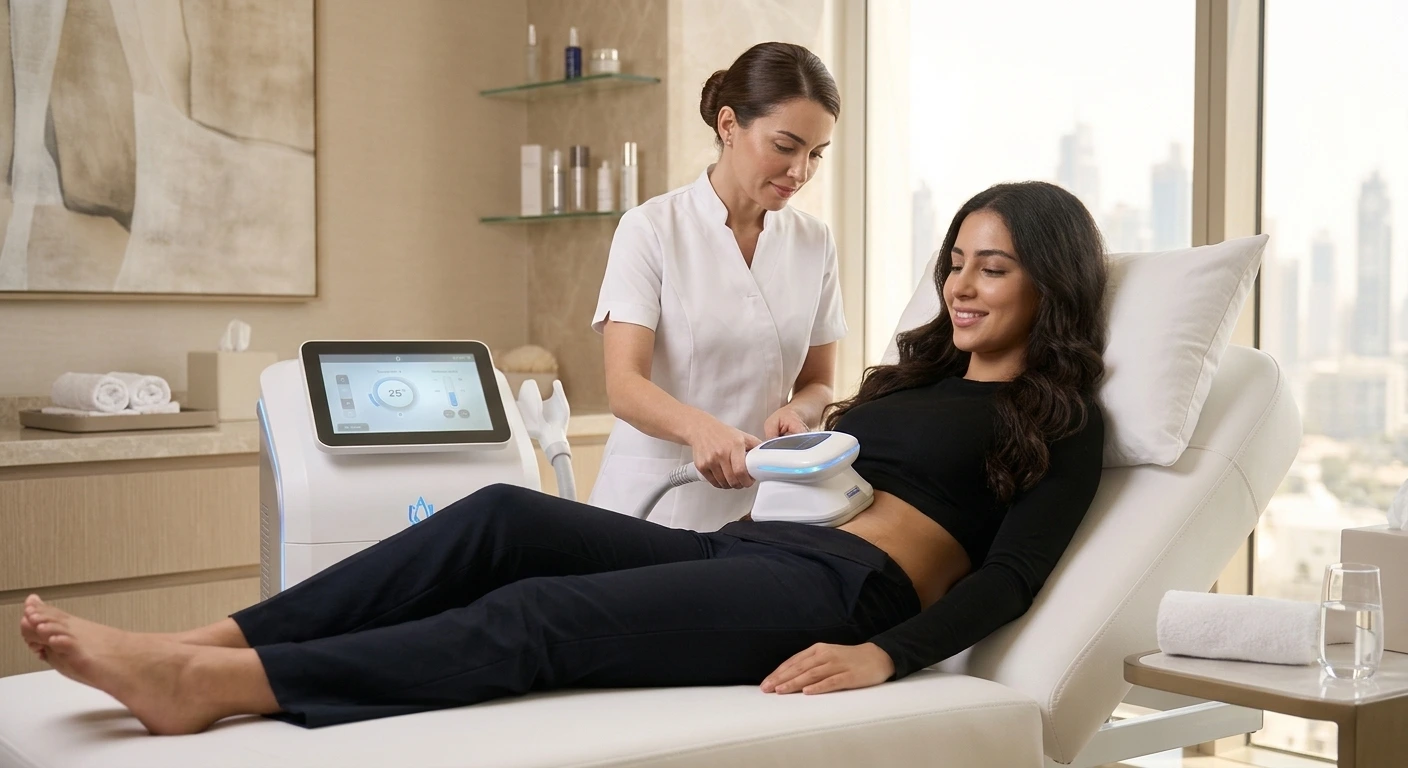
Fat freezing, or cryolipolysis, is a non-surgical body-contouring procedure that uses controlled cooling from a dedicated device to target selected pockets of subcutaneous fat. Cooling may injure some fat cells, which the body then clears gradually. It is not a weight-loss treatment and does not guarantee the same result for every patient.

What is cryolipolysis?

Cryolipolysis is a non-surgical body-contouring technique. A trained professional places a cooling applicator over a pinchable pocket of fat; depending on the device, the tissue may be gently drawn into the applicator. The device cools the tissue according to its specific programmed settings while protecting the skin.

The procedure may be used for selected areas such as parts of the abdomen, flanks, thighs, or under the chin, depending on the device’s authorization and the clinician’s assessment. Clearance or authorization for one device does not mean that all fat-freezing devices have identical performance or that every body area is suitable.

How does cryolipolysis work?

The intended effect is controlled cooling that may injure a portion of fat cells in the treated layer. The body then gradually processes and clears the damaged cells through normal immune and metabolic pathways. This process is not immediate, so the appearance immediately after treatment does not represent the final result.

Cooling temperature and treatment time vary by device, applicator, body area, tissue thickness, and manufacturer instructions. There is no single temperature or duration that applies to every device and patient. A fixed figure, such as −11°C, should not be presented as a universal standard for all cryolipolysis treatments.

Does fat freezing permanently remove fat cells?

The number of affected fat cells in a treated area may decrease, but this does not protect against future weight gain. Remaining fat cells can enlarge, and fat may accumulate in other areas. Maintaining a stable weight may help preserve the cosmetic result, but outcomes still vary.

What is the difference between subcutaneous and visceral fat?

Subcutaneous fat lies beneath the skin and may be pinchable enough for an applicator to target. Visceral fat is deeper inside the abdomen around internal organs and is not treated by cryolipolysis.

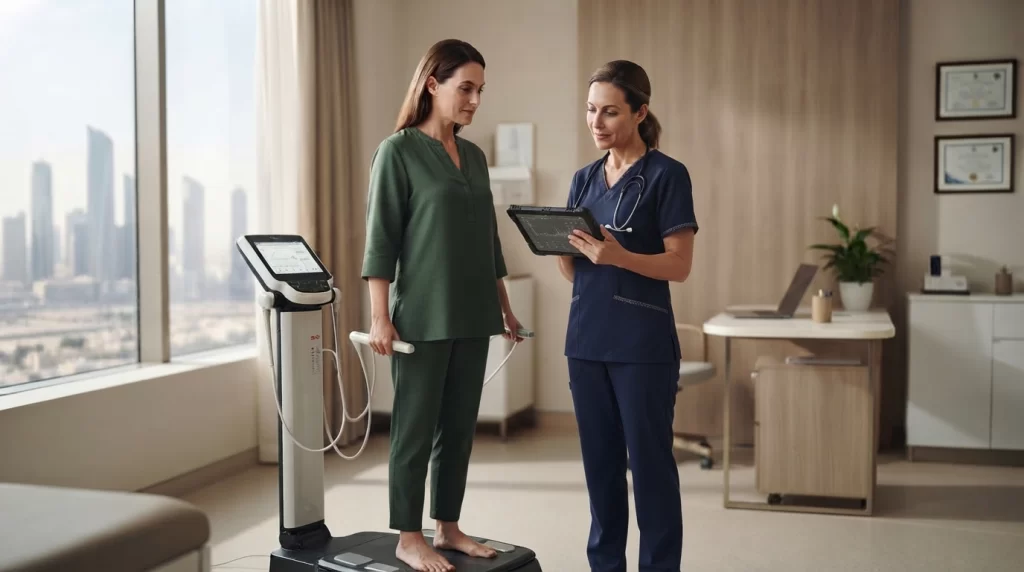
Higher visceral-fat levels are associated with increased metabolic and cardiovascular risk, but abdominal appearance alone cannot identify visceral fat reliably. A clinician may use measurements, imaging, or laboratory tests when appropriate. If the main cause of abdominal fullness is visceral fat, fat freezing is not the appropriate solution; the focus should be medical assessment, nutrition, activity, and treatment when indicated.

Do you need an assessment before treatment?

Yes. A qualified clinician should assess the area and your health history before treatment. The assessment may include:

  • Goal and area review: Is the concern pinchable subcutaneous fat, loose skin, muscle separation, or something else?
  • Physical examination: Assessment of the skin, fat thickness, possible hernia, pain, or swelling.
  • Imaging when appropriate: Ultrasound or another suitable method may help assess the fat layer, but it does not replace clinical examination.
  • Medical history: Particular attention to cold-related disorders, reduced sensation, active skin disease, pregnancy, implanted devices, and medicines.
  • Alternative options: Lifestyle treatment, skin-tightening procedures, or another approach may be more appropriate depending on the cause of the contour concern.

Assessment should help determine whether treatment is suitable, not be used to pressure someone into an unnecessary procedure.

Who may be a suitable candidate?

Cryolipolysis may suit an adult who is near a stable weight, has a localized pocket of pinchable subcutaneous fat, has realistic expectations, and is not seeking treatment for obesity or major weight loss. The patient should understand that the goal is local cosmetic contouring, not a general health treatment.

People with significant loose skin and little underlying fat, or fullness caused by a hernia, muscle separation, or visceral fat, may not benefit. New or unexplained symptoms should be medically assessed rather than treated as a cosmetic concern.

Who should avoid or postpone treatment?

Contraindications vary by device and medical history, but tell the clinician before treatment if you have:

  • A cold-related disorder, including certain conditions involving cold-sensitive blood proteins.
  • Reduced sensation or neuropathy in the treatment area.
  • An open wound, active infection, or active skin disease at the site.
  • A hernia or a painful lump near the proposed treatment area.
  • Pregnancy or recent childbirth until a clinician confirms that assessment and treatment are appropriate.
  • A medical or medication history that may increase bruising or affect skin healing.

This list is general guidance, not a diagnosis. The final decision requires a medical history, examination, and review of the specific device protocol.

What happens during a session?

The process varies by clinic and device but commonly includes:

  • Planning: The clinician identifies the area and may take photographs or measurements with consent.
  • Protection: A device-specific protective membrane or pad is placed between the applicator and the skin.
  • Cooling: The applicator remains in place for the programmed time. Patients may feel pulling, cold, pressure, and temporary numbness.
  • After applicator removal: Redness, firmness, or swelling may occur. A brief massage may be used according to the clinic’s protocol.
  • Aftercare guidance: The clinician explains expected symptoms, follow-up, and warning signs.

What results can you expect?

Results develop gradually and may take several weeks or months to assess. The treated area may look less prominent, but the amount of change cannot be guaranteed in advance. Factors include fat thickness, body area, device type, number of sessions, individual response, and weight stability.

Clinical studies report variable reductions in treated fat layers. Study averages should not be presented as an individual promise. A cryolipolysis result also does not measure total body-weight change.

Frequently asked questions

No. It is a localized contouring procedure for selected subcutaneous fat pockets, not a treatment for obesity or a substitute for healthy weight management. The treated area may change without a major change on the scale.

Some fat cells in the treated area may be reduced, but the result does not prevent future weight gain. Remaining cells can enlarge and other areas can change. Stable weight may help maintain the appearance, but it does not guarantee a lifelong result.

There is no universal number. It depends on the area, fat thickness, device, goal, and response. A clinician should decide whether another session is appropriate only after enough time has passed to assess the initial result.

Patients may feel cold, pulling, pressure, numbness, or soreness. The experience varies by body area, device, and individual tolerance, so it should not be described as pain-free for everyone.

It may be possible for selected patients after medical assessment. Abdominal fullness can result from loose skin, muscle separation, a hernia, visceral fat, or subcutaneous fat. These causes should be assessed first, especially during pregnancy, breastfeeding, or early postpartum recovery.

PAH means paradoxical adipose hyperplasia: the treated fat grows rather than shrinks. It is rare but recognized, and patients should be informed before consenting. A growing lump after treatment should be assessed by a qualified clinician.

Conclusion

Cryolipolysis may help reduce selected superficial fat pockets in carefully assessed patients, but it is not an obesity treatment and does not guarantee a permanent or risk-free result. A sound decision starts with medical assessment of the contour concern, device suitability, alternatives, realistic expectations, and potential complications.

“It may sound strange, but using your other hand can be both fun and beneficial at the same time.”

I heard an unusual piece of information that says

Training the non-dominant hand can be an effective way to stimulate the brain and enhance motor skills.Using your non-dominant hand also helps you express your emotions more deeply, as it allows you to think about them more clearly.

This information is actually strange, because we often want to try something new to stimulate our brains, but most activities turn out to be difficult and complicated.
So most of the time, we end up doing nothing, even though something as simple as using the hand we’re not used to can be new, useful, and even funny. For example, I have good handwriting, but when I try to write with my other hand, the handwriting definitely looks strange.

So, what exactly does this benefit us in?

1-It helps improve communication and coordination between the two hemispheres of the brain.

2-It contributes to enhancing brain flexibility and adaptability.

3-It helps improve fine motor skills and better control of movements.

For me, the most important thing is to improve focus, so I will definitely try something like this. There are also advanced and modern solutions for focus called  IV drip.

So, what steps can I start with?

There are 3 levels if you want to take this as a personal challenge.

Beginner Level:

  • Writing: Start by writing a few sentences daily with your non-dominant hand.

  • Brushing Teeth: Try brushing your teeth with your non-dominant hand.

  • Grabbing Objects: Practice picking up objects of different sizes using your non-dominant hand.

Intermediate Level:

  • Drawing: Draw simple shapes with your non-dominant hand.

  • Using a Computer Mouse: Use the mouse with your non-dominant hand.

  • Peeling Fruits and Vegetables: Try peeling them with your non-dominant hand.

Advanced Level:

  • Cooking: Chop vegetables and try cooking tasks with your non-dominant hand.

  • Sports: Perform some exercises using your non-dominant hand.

  • Playing a Musical Instrument: Try playing an instrument with your non-dominant hand.

Share with us if you’re excited to start the challenge and try something new, fun, and beneficial at the same time.

Liposuction: Sculpt Your Body and Reveal a New You

Syringe Liposuction at Everlast Clinic: Precision Contouring for Emirati Women

In the UAE, where elegance and wellness go hand in hand, having a sculpted, toned body is a reflection of confidence and sophistication. At Everlast Clinic, we offer syringe liposuction, a precision fat removal technique designed specifically for delicate areas, giving Emirati women natural, smooth, and refined results.

What is Syringe Liposuction?

Syringe liposuction is an advanced method of removing small, localized fat deposits using a hand-held syringe and a tiny cannula. Unlike traditional liposuction, this technique allows for precise control, perfect for areas such as the chin, face, arms, knees, or any small pockets of stubborn fat. It is gentle, minimally invasive, and ideal for achieving subtle.

Why Choose Syringe Liposuction at Everlast?

1. Precision for Delicate Areas: Our specialists can sculpt areas where exact shaping is crucial, enhancing natural beauty without overcorrection.
2. Minimally Invasive & Safe: Smaller incisions mean minimal bruising, faster
healing, and almost invisible scars.
3. Customized Treatments: Every treatment plan is personalized to your body’s
unique shape and goals.
4. Natural, Smooth Results: Say goodbye to stubborn fat while maintaining a
graceful, natural appearance.
5. Luxurious, Comfortable Care: Our clinic offers a private, safe, and premium
environment designed for Emirati women seeking excellence in cosmetic care.

Ideal Candidates

  • Women near their ideal weight with small fat deposits resistant to diet and exercise.
    • Those seeking subtle and elegant body contouring rather than large-volume fat
    removal.
    • Individuals with good skin elasticity, which ensures smooth and refined results.

Recovery and Care

Liposuction is usually faster compared to traditional liposuction procedures, but it may vary depending on several factors such as the size of the treated area, the technique used, and the patient’s health condition. In many cases, patients can resume light daily activities within 1-3 days, with swelling and bruising gradually subsiding over a few weeks.
The full recovery period, when the results stabilize and the swelling disappears completely, may take approximately 2 to 6 weeks, depending on several individual factors. Compared to traditional liposuction, syringe liposuction is less invasive and generally has a faster recovery time.

Why Everlast Clinic Stands Out?

At Everlast Clinic, we understand the preferences and lifestyle of Emirati women. Our approach combines cutting-edge technology, precision techniques, and personalized care, ensuring results that are safe, natural, and elegant. We don’t just remove fat we sculpt confidence and celebrate your natural beauty

What is the Suitable Age for Syringe Liposuction?

The suitable age for syringe liposuction generally starts at 18, when physical maturity is reached. There is no strict upper age limit, but candidates must be in good overall health, especially older adults who may need medical evaluation.
Liposuction is rarely recommended for those under 18 except in special medical cases with parental consent and full assessment.
Overall, ideal candidates are typically from their late teens to their 40s, though healthy older adults can also undergo the procedure safely.

Start your journey to precise, natural-looking body sculpting. Book your consultation at Everlast Clinic today and experience the art of syringe liposuction tailored just for you.

Energize Your Life: The Power of the Energy & Weight Loss Drip

Recharge Your Body and Elevate Your Life
Are you feeling fatigued, struggling with weight management, or looking to improve your physical performance? The Energy & Weight Loss Drip at Everlast Wellness Medical Center is your ultimate solution. Designed with a potent mix of vitamins, minerals, and amino acids, this IV therapy redefines vitality by boosting energy, enhancing fat metabolism, and promoting overall wellness.

🧪 Experience the Power of Nutrient Therapy Today!

What is the Energy & Weight Loss Drip?

The Energy & Weight Loss Drip is a clinically formulated IV treatment tailored to:

  • Boost Energy and Endurance: Replenish your body with essential nutrients for sustained energy throughout the day.
  • Enhance Fat Metabolism: Support your weight management journey with ingredients that fuel your body’s ability to burn fat.
  • Reduce Fatigue and Muscle Cramps: Keep your body at peak performance by addressing exercise-related fatigue and muscle recovery.

This treatment ensures maximum absorption and immediate benefits by directly infusing your body with a powerful blend of nutrients

How Does It Work?

The IV drip delivers essential vitamins, minerals, and amino acids directly into your bloodstream, bypassing the digestive system. This allows your body to utilize these nutrients immediately and effectively, replenishing depleted stores and energizing your cells.

Key mechanisms include:

  • Boosting Metabolic Function: Vitamin B complex and Carnitine enhance the body’s ability to metabolize fats and carbohydrates.
  • Improving Cellular Energy Production: Alpha Lipoic Acid and Magnesium Chloride support energy production at the cellular level.
  • Promoting Relaxation: Magnesium and B vitamins calm the nervous system, reducing stress and promoting relaxation.

Key Ingredients and Their Benefits

  1. Vitamin B1, B6, B12
    • Boosts energy production and brain function.
    • Supports nervous system health and mood stabilization.
  2. Carnitine
    • Enhances fat metabolism for weight loss.
    • Increases endurance and athletic performance.
  3. Alpha Lipoic Acid
    • Protects cells from oxidative stress.
    • Supports energy production and anti-aging benefits.
  4. Zinc Sulfate
    • Strengthens the immune system.
    • Promotes skin health and wound healing.
  5. Magnesium Chloride
    • Relaxes muscles and reduces cramps.
    • Supports a calm and balanced nervous system.

Who Can Benefit from the Energy & Weight Loss Drip?

For Every Age Group:

  • Young Adults: Combat fatigue from hectic schedules and stay energized for social and professional commitments.
  • Middle-aged individuals: Support metabolism and energy levels while managing stress and improving recovery.
  • Seniors: Boost vitality and enhance muscle recovery to maintain an active lifestyle.

For Every Occupation:

  • Busy Professionals: Stay sharp and energized throughout demanding workdays.
  • Athletes: Enhance endurance, reduce recovery time, and improve overall performance.
  • Healthcare Workers: Manage fatigue and stress while supporting immune health.
  • Parents: Regain energy and focus to keep up with life’s demands.

How long does the treatment take?

A typical session lasts 30-45 minutes.

Is it safe?

Yes, the treatment is administered by certified professionals using medically approved formulations.

Why Choose Everlast Wellness Medical Center?

Everlast Wellness Medical Center offers expert care with cutting-edge technology and personalized wellness solutions. From advanced treatments like IV therapy to holistic beauty and health services, we prioritize safety, quality, and long-term results. Trusted by thousands, we provide a relaxing, patient-centered environment to help you look, feel, and perform your best.

Related Services

Energy & Weight Loss Drip

Share This Article