Octoberis more than just the arrival of autumn—it’sPink October, a month dedicated to raising awareness about breast cancer, supporting survivors, and honoring those we’ve lost. This comprehensive guide will help you understand breast cancer, recognize early warning signs, and learn how you can make a difference.
What is Pink October?
Pink October, officially known as Breast Cancer Awareness Month, is an annual international health campaign held every October. Established in 1985, this movement aims to increase awareness of breast cancer, promote early detection, and raise funds for research into its causes, prevention, diagnosis, treatment, and cure.
The iconic pink ribbon has become the universal symbol of breast cancer awareness, representing hope, strength, and solidarity with those affected by this disease.
Why Breast Cancer Awareness Matters?
Breast cancer is one of the most common cancers affecting women worldwide, but it’s also one of the most treatable when detected early. Understanding the facts can save lives:
The Statistics
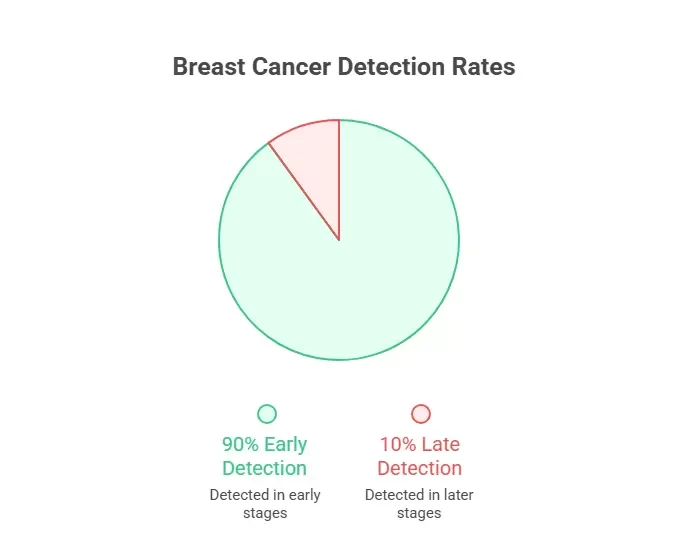
Breast canceraffects millions of women globally each year, and while less common. Early detection through regular screening significantly increases survival rates, with a detection rate above 90% when caught in early stages.
When breast cancer is detected early, before it has spread beyond the breast, the survival rate is significantly higher. Regular screenings, self-examinations, and awareness of changes in your body are crucial tools in the fight against breast cancer.
Understanding Breast Cancer
Breast cancer occurs when cells in the breast grow abnormally and uncontrollably, forming a tumor. These cells can invade nearby tissues or spread to other parts of the body through the bloodstream or lymphatic system.
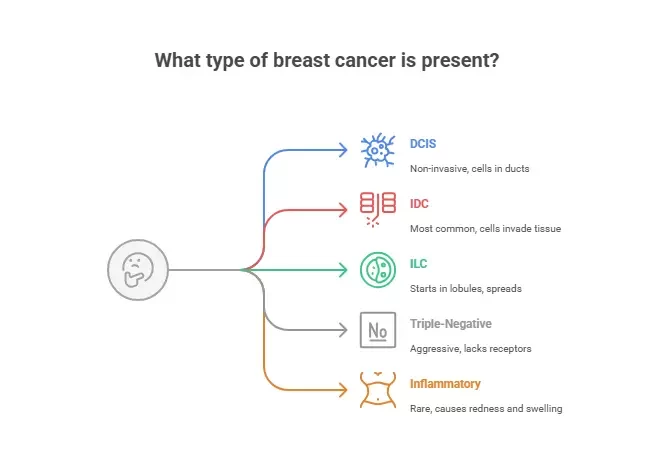
Types of Breast Cancer
Risk Factors
While anyone can develop breast cancer, certain factors increase risk:
Non-Modifiable Factors:
Being female (though men can get breast cancer)
Increasing age(risk rises after 50)
Family history and genetic mutations (BRCA1 and BRCA2)
Personal historyof breast cancer
Dense breast tissue
Early menstruation or late menopause
Radiation exposure to the chest
Lifestyle Factors:
Obesity and physical inactivity
Alcohol consumption
Smoking
Hormone replacement therapy
Never having children or having first child after age 30
Not breastfeeding
Early Detection: Your Best Defense
The Importance of Screening
Regular screening is the most effective way to detect breast cancer early. Screening guidelines vary, but generally include:
Monthly Self-Examinations: Starting at age 20, women should perform regular breast self-exams to become familiar with how their breasts normally look and feel.
Clinical Breast Exams: Healthcare providers should perform clinical breast exams during regular checkups.
Mammograms: Women should begin annual or biennial mammograms starting at age 40-50, or earlier if they have risk factors.
How to Perform a Breast Self-Exam?
In the Shower:Using the pads of your fingers, move around your entire breast in a circular pattern from the outside to the center, checking the entire breast and armpit area. Check both breasts each month, feeling for any lumps, thickening, or hardened knots.
In Front of a Mirror:Visually inspect your breasts with your arms at your sides, then raised overhead. Look for changes in size, shape, contour, or dimpling of the skin. Check for changes in the nipples.
Lying Down: Place a pillow under your right shoulder and put your right arm behind your head. Using your left hand, move the pads of your fingers around your right breast in circular motions covering the entire breast and armpit area. Repeat on the left side.
Warning Signs to Watch For
Contact your healthcare provider if you notice:
A new lump or mass in the breast or underarm
Swelling of all or part of the breast
Skin irritation or dimpling (orange peel texture)
Breast or nipple pain
Nipple retraction (turning inward)
Redness, scaliness, or thickening of nipple or breast skin
Nipple discharge (other than breast milk)
Change in breast size or shape
Any unexplained changes in your breasts
Remember:Most breast lumps are not cancerous, but any changes should be evaluated by a healthcare professional.
Treatment Options
Breast cancer treatment has advanced significantly, and options depend on the type, stage, and individual factors:
Surgery
Lumpectomy: Removal of the tumor and a small amount of surrounding tissue
Mastectomy: Removal of one or both breasts, partially or completely
Reconstructive surgery: Rebuilding the breast shape after mastectomy
Radiation Therapy
Uses high-energy rays to kill cancer cells, often used after surgery to eliminate remaining cancer cells.
Chemotherapy
Medications that destroy cancer cells throughout the body, used before or after surgery or for advanced cancer.
Hormone Therapy
Blocks hormones that fuel certain breast cancers, used for hormone-receptor-positive cancers.
Targeted Therapy
Drugs that target specific characteristics of cancer cells, such as HER2-positive breast cancer.
Immunotherapy
Helps the immune system recognize and attack cancer cells.
How can I support someone with breast cancer?
Support comes in many forms. Practical help is invaluable: offer specific assistance like preparing meals, driving to appointments, caring for children, or helping with household tasks. Emotional support matters too—listen without trying to fix everything, avoid minimizing their feelings, and let them guide conversations about their diagnosis. Respect their privacy and don’t share their story without permission. Small gestures like sending cards, care packages, or simply being present make a difference. Avoid comparing their experience to others or offering unsolicited advice. Sometimes the best support is just showing up consistently throughout their journey.
Diabetic foot complications are a serious health concern, often arising from high blood sugar damaging nerves and blood vessels over time. This damage leads to numbness, tingling, loss of sensation, and wounds or ulcers that heal poorly. These ulcers can become infected, increasing the risk of severe complications that may ultimately require surgery. Traditional treatments, while helpful, face challenges such as low wound closure rates and compromised skin regeneration. This is where tissue bioengineering has emerged as a cutting-edge solution.
What is Tissue Bioengineering in Diabetic Foot Care?
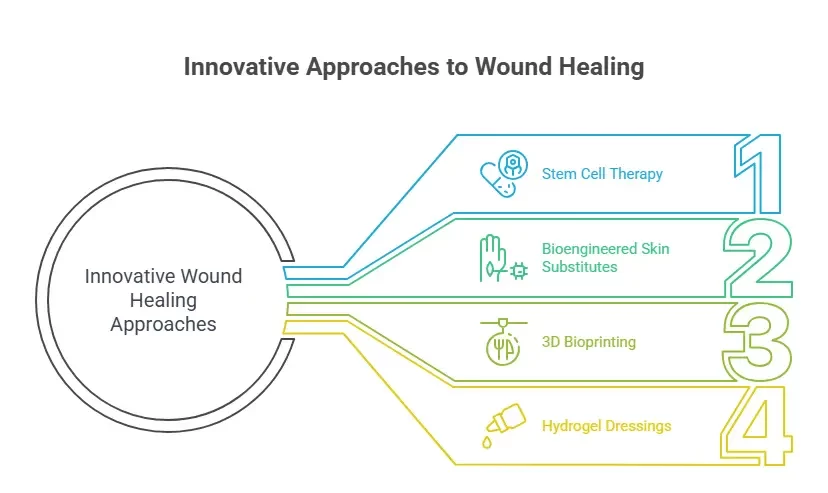
Tissue bioengineering combines advanced biomedical techniques including stem cell therapies, bioengineered skin grafts, and 3D bioprinting to promote faster and more effective wound healing. These strategies focus on regenerating skin tissue, improving blood vessel formation, and restoring the skin’s natural barrier function to prevent infections and promote durable healing.
Recent advances in this field highlight several promising approaches:
Clinical studies report that tissue bioengineering significantly improves wound closure rates, increases skin thickness, and enhances patient mobility without significant adverse effects.
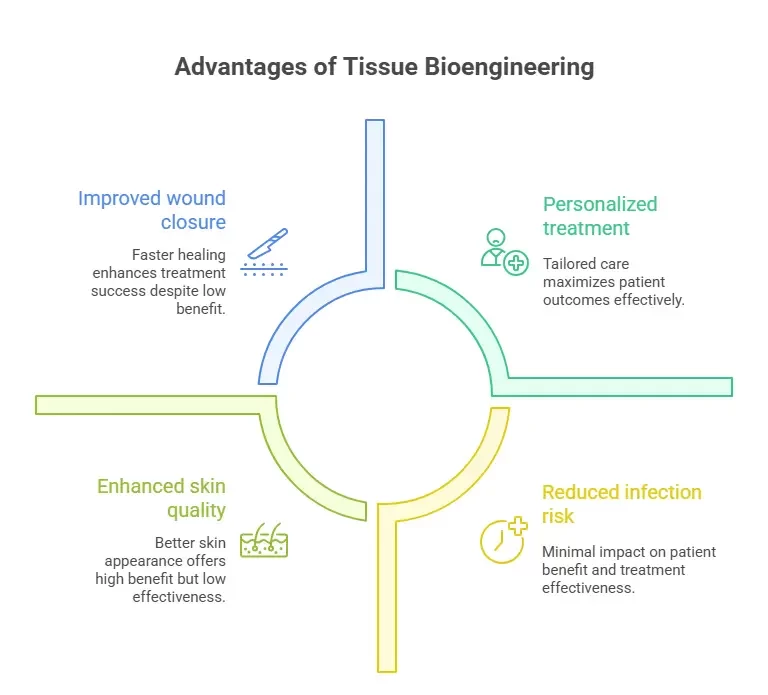
Advantages of tissue bioengineering
Significantly improves wound closure rates compared to traditional treatments.
Enhances skin thickness and tissue quality, closely resembling natural skin.
Boosts blood flow and vascularization in the affected area, supporting faster healing.
Reduces the risk of infection and associated complications.
Improves patient mobility and decreases pain.
Often reduces the need for surgical intervention.
Provides personalized treatment tailored to each patient’s needs.
Treatment Duration
The length of treatment varies depending on the severity and size of the ulcer, as well as the patient’s overall health. Typically, tissue bioengineering therapies can take from several weeks up to a few months. At Everlast Wellness Medical Center, a dedicated team follows strict protocols and monitors progress regularly, making adjustments when necessary to optimize healing outcomes.
How Everlast Wellness Medical Center Supports Diabetic Foot Patients?
Everlast Wellness Medical Center in Abu Dhabi offers specialized care for diabetic foot complications by integrating modern treatment strategies with the latest regenerative therapies. As a leader in dermatology, health consultation, and advanced wound care, Everlast Wellness provides a holistic approach that addresses not only the wound but also the underlying causes of diabetic foot problems.
Key Features of Everlast’s Diabetic Foot Care:
Comprehensive non-surgical treatments: Focused on accelerating natural healing and preventing infections with expert wound cleaning and management.
Regenerative therapies: Incorporating tissue bioengineering approaches that enhance skin regeneration and reduce healing time.
Expert multidisciplinary team: Including specialists in diabetes management, and dermatology.
Patient-tailored care:Custom treatment plans based on individual needs, ensuring the most effective intervention.
Community commitment: Supporting Abu Dhabi’s health goals for a healthier community
Patients at Everlast Wellness benefit from state-of-the-art facilities, compassionate clinical expertise, and advanced technologies aimed at restoring foot health and preventing severe complications. The center emphasizes patient comfort and safety, striving to provide quick and effective solutions without the need for surgical intervention whenever possible.
Conclusion
Tissue bioengineering represents a transformative advancement in the treatment of diabetic foot ulcers by promoting superior wound healing and tissue regeneration. Everlast Wellness Medical Center harnesses these technologies alongside comprehensive care strategies to offer patients in Abu Dhabi a trusted and innovative option for diabetic foot care. By combining regenerative medicine with expert clinical management, Everlast Wellness helps patients walk towards better health with confidence.